- 1. DOT launches AI air traffic control for 50,000 daily flights to slash delays.
- 2. Unions demand human oversight amid safety and job loss fears.
- 3. Airlines save $10B yearly; aviation stocks rise as BTC holds $78K.
The U.S. Department of Transportation (DOT) launched AI air traffic control tools for controllers on April 9, 2025. Transportation Secretary Pete Buttigieg announced them in a press conference. The tools upgrade the national airspace system. They target over 50,000 daily U.S. flights. Pilots' unions warned of safety risks and job losses.
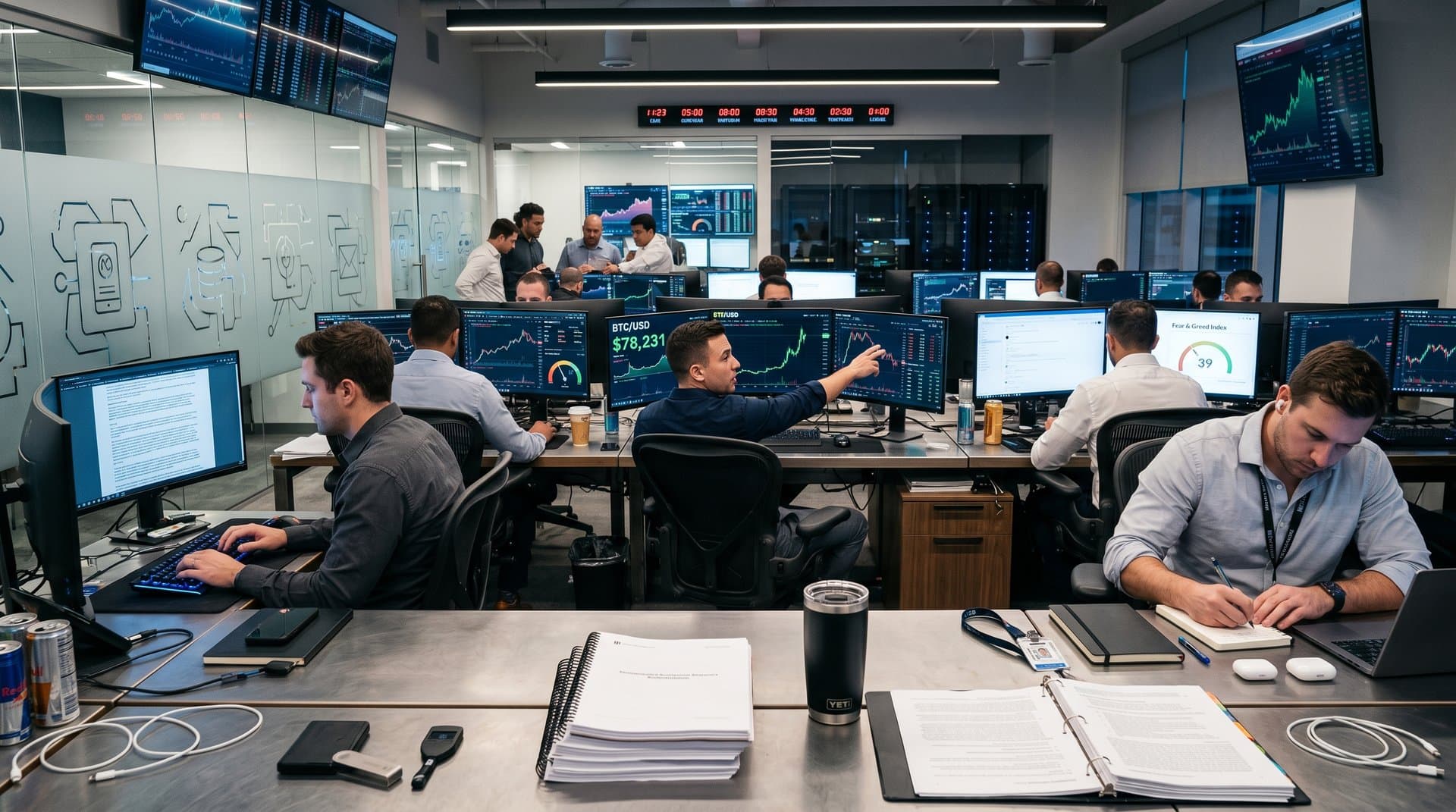
Air traffic control guides flights and prevents collisions to keep planes safe. The Federal Aviation Administration (FAA), part of DOT, leads this effort due to controller shortages. Markets showed caution. The Crypto Fear & Greed Index hit 33 on its 0-100 fear scale (Alternative.me data). Bitcoin traded at $78,043 USD, up 0.8% (CoinMarketCap, April 9). Ethereum reached $2,345.84 USD, up 1.6%.
AI Air Traffic Control Targets Flight Path Predictions
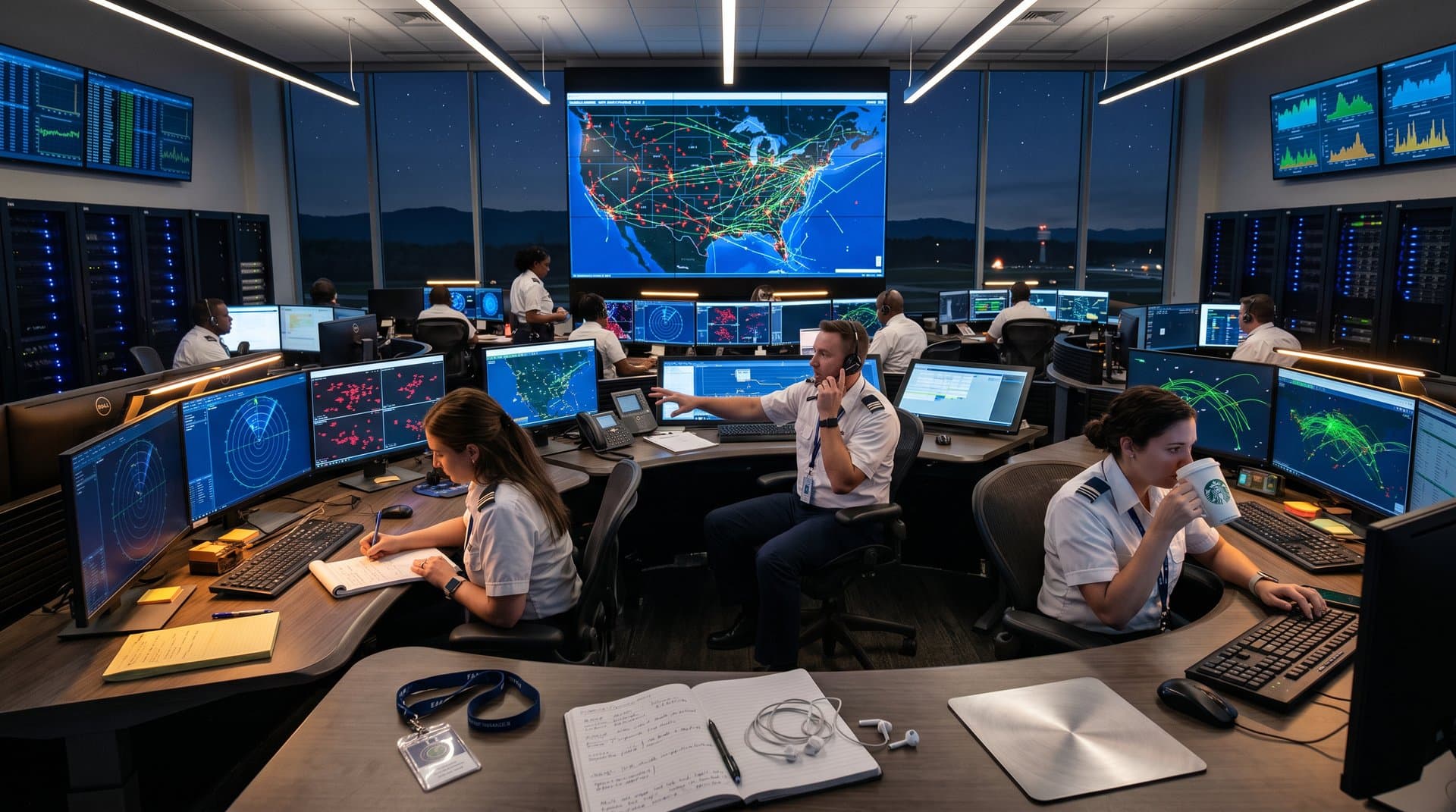
AI air traffic control systems predict flight paths. They spot conflicts early. Controllers get real-time alerts. This builds on the FAA's NextGen program. NextGen updates old airspace tech since 2007.
Machine learning models scan radar data, weather, and aircraft sensors. They handle huge data volumes faster than humans. FAA tests cut delays by 20% with better routes (FAA 2024 NextGen report). Airlines save millions yearly on fuel.
Pilots Unions Demand Strict Human Oversight
The National Air Traffic Controllers Association (NATCA) and Air Line Pilots Association (ALPA) oppose the tools. They fear AI errors in storms or emergencies. Humans must make final decisions.
NATCA cited 2023 software failures that caused long delays (FAA incident logs). The FAA lists 14,000 active controllers as of March 2025 (FAA data). Unions want full training and layoff protections. See NATCA's technology advocacy page.
Cockpit Displays Raise New Safety Questions
Pilots see AI-suggested paths on cockpit screens. Crews worry about over-relying on them. The FAA pushes "explainable AI." This shows how systems make decisions.
Runway close calls rose 15% in 2024 (FAA data). AI spots risks sooner. DOT teams with Boeing for safe rollout (Boeing May 2024 aviation AI report).
Job Changes Loom for Air Traffic Controllers
DOT says AI air traffic control helps workers, not replaces them. Hiring slows with natural retirements. Training shifts to AI oversight.
The FAA plans 1,800 new controllers by December 2024 (Reuters, April 9). Unions seek contract protections. See full article.
Airlines Stand to Save $10 Billion Yearly
Delays cost U.S. airlines $10 billion USD yearly (FAA 2024 economic analysis). AI air traffic control eases congestion and shortens waits. Delta, United, and American expect big gains.
Fuel savings boost profits. Google Cloud won $500 million FAA contracts over five years (Google Cloud press release, April 2025). Delta Air Lines (DAL) rose 1.8% to $45.20 USD (Yahoo Finance). United Airlines (UAL) gained 2.1% to $52.40 USD.
XRP held at $1.43 USD, up 0.1%. BNB traded at $631.71 USD, up 0.3% (CoinMarketCap).
Global AI Trends Push U.S. Forward
Eurocontrol in Europe used similar AI in 2024. It cut delays 15% (Eurocontrol annual report). FAA matches global standards. Drones will hit 1 million daily flights by 2030 (FAA Aerospace Forecast).
A 2023 airspace meltdown sped DOT action. Check FAA's NextGen AI applications and DOT briefing room.
Market Outlook and Traveler Wins
Fewer delays bring safer skies and happy travelers. FAA certifications start mid-2025. Tech-focused airlines lead profits.
Bitcoin holds near $78,043 USD. Ethereum rises signal tech recovery. DOT's AI air traffic control rollout balances innovation and risks.
Frequently Asked Questions
What are DOT plans for AI air traffic control?
DOT directs FAA to integrate AI air traffic control for trajectory prediction and alerts. Controllers oversee outputs in hybrid setup. Phased deployment addresses staffing gaps.
How does AI air traffic control affect pilot safety?
AI provides conflict alerts to cockpits, but pilots demand explainable models. Unions cite error risks in bad weather. FAA certifies tools like human systems.
Why do unions oppose AI air traffic control?
NATCA and ALPA fear skill erosion and job cuts. They push human primacy in decisions. Negotiations seek training mandates.
What tech firms support FAA AI air traffic control efforts?
Google Cloud and others provide infrastructure for NextGen. FAA tests neural networks at its labs. Partnerships ensure scalability.