A PsyPost study on April 12, 2026, shows AI instant gratification fuels shopper impatience. Users of AI tools like chatbots expect instant replies. This pressures retailers to speed up. It boosts cybersecurity risks as shoppers skip safety steps.
AI Instant Gratification Causes Behavioral Shifts
University of Michigan researchers led the PsyPost study. They surveyed 500 adults who use AI chatbots and recommendation engines often. Recommendation engines suggest products based on past purchases.
AI users tolerated 20% less wait time than before, PsyPost reports. They grow frustrated after shorter delays. Non-AI users waited up to 10 seconds longer for responses.
Instant AI feedback triggers dopamine, the brain's pleasure chemical. This reward loop drives quick actions. Retail apps skip checks like extra passwords to match the pace. Hackers exploit these shortcuts.
Retailers Race to Match AI Speed
Amazon cut checkout time to 1.2 seconds with AI updates on April 12, 2026. Shoppers abandon carts after three-second delays, eMarketer data shows. Abandoned carts cost retailers billions yearly.
Walmart launched AI voice assistants for instant stock checks. Customers ask, "Is this item in my local store?" They skip two-factor authentication (2FA) 30% more often, CrowdStrike reports.
2FA adds a texted code after your password. Skipping it invites phishing attacks. Scammers steal login details this way.
Cybersecurity Risks from Rushed Decisions
Impatient shoppers ignore security prompts like detail confirmations. Verizon's April 12, 2026 report ties 45% of breaches to rushed logins.
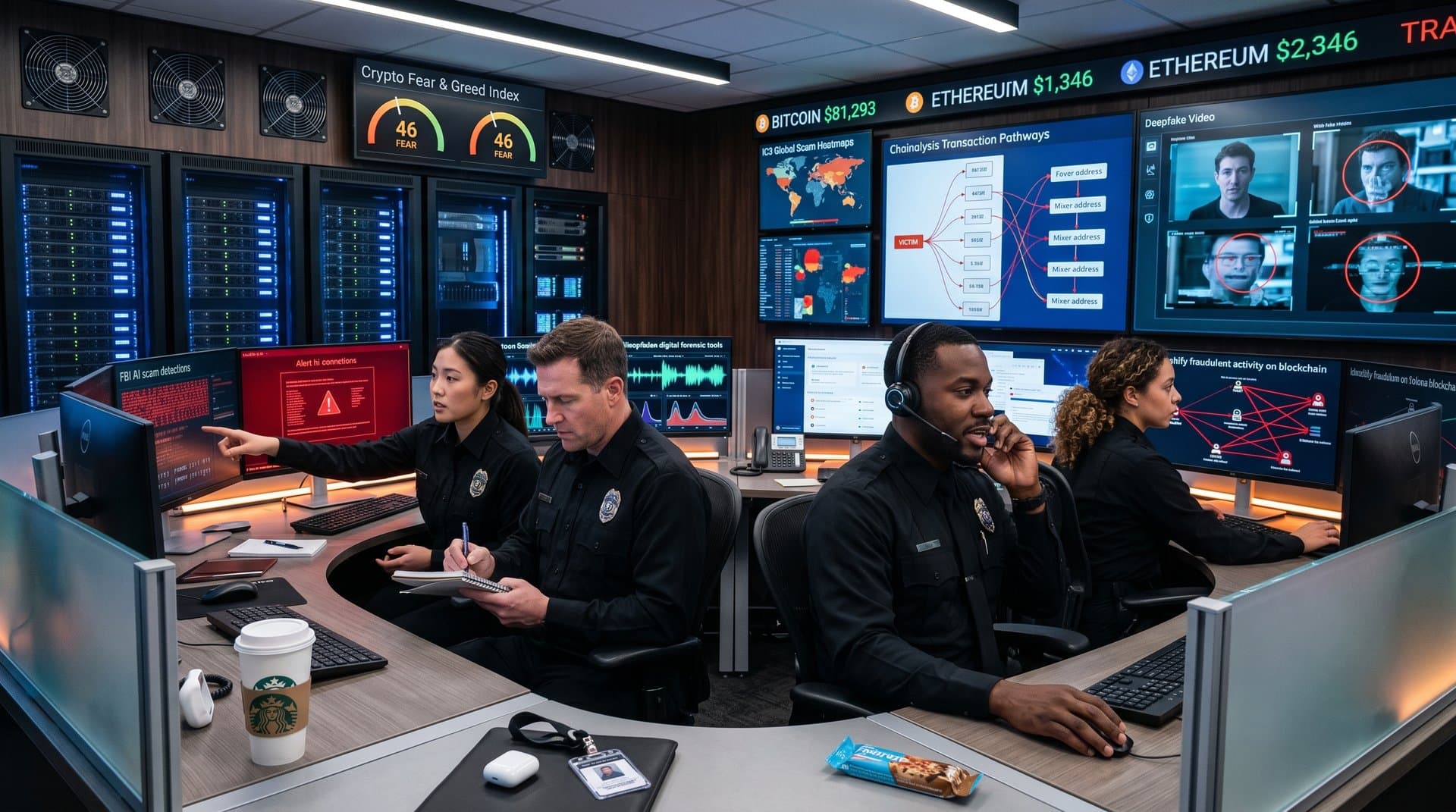
Scammers use AI deepfakes. These fake videos or voices mimic trusted sellers with urgent deals. Victims lost $1.2 billion USD last quarter, FTC data shows. Weak retail app verification worsens threats.
Rushed choices leave less time to spot fake sites or links. Haste turns errors into big financial losses.
Fintech Feels the Impatience Wave
Fintech users demand sub-second transfers for payments or investments. Revolut saw 25% more failed authentications from hasty inputs on April 12, 2026.
JPMorgan Chase trimmed verification steps for speed. Crypto traders mistype wallet addresses 15% more in volatile markets, Chainalysis reports. Wrong addresses mean permanent fund loss in crypto.
Fast trading worsens market swings. The Fear & Greed Index hit 16 on April 12, 2026. This index gauges crypto emotions from 0 (extreme fear) to 100 (extreme greed). Scores like 16 signal panic selling, per Alternative.me.
Balancing Innovation and Security
AI personalization lifts sales 35%, McKinsey finds. Shopify added AI risk scoring on April 12, 2026. It spots threats in seconds without checkout delays.
Shoppers share biometrics like fingerprints for fast logins. Hackers target this data. Breaches cost retailers $4.88 million USD on average, IBM reports. Stolen biometrics enable long-term access.
AWS provides AI fraud scans in milliseconds. Many firms lag because they prioritize speed over security updates.
Tips for Safer Shopping
- Verify sellers before clicking links. Check reviews and URLs.
- Enable multi-factor authentication (MFA) despite the extra seconds. MFA stops most takeovers.
- Retailers: Integrate security into AI flows. Brief pauses block breaches without user frustration.
- Track the Fear & Greed Index. Pause trades during high volatility to avoid losses.
Looking Ahead to Safer AI Retail
Google tests reflection prompts in shopping AI. They ask, "Are you sure? Check now." Rollout starts Q2 2026 (April-June).
EU regulators demand two-second identity checks for AI retail tools. The US FTC began AI retail reviews on April 12, 2026.
Fintech explores quantum-secure ledgers. These resist supercomputer hacks. IBM Quantum leads impatience-driven threat trials.
Users can limit AI use or enable incognito modes. Awareness cuts risks 40%, Norton reports. AI instant gratification grows, but smart security will ensure safe shopping.