- 1. Goldberg's op-ed claims AI boosts cheating by 30% and skips critical thinking.
- 2. Crypto Fear & Greed Index at 33 signals investor fear over AI regulations.
- 3. Edtech raises $5.2B; firms launch safe tools like ChatGPT Edu despite bans.
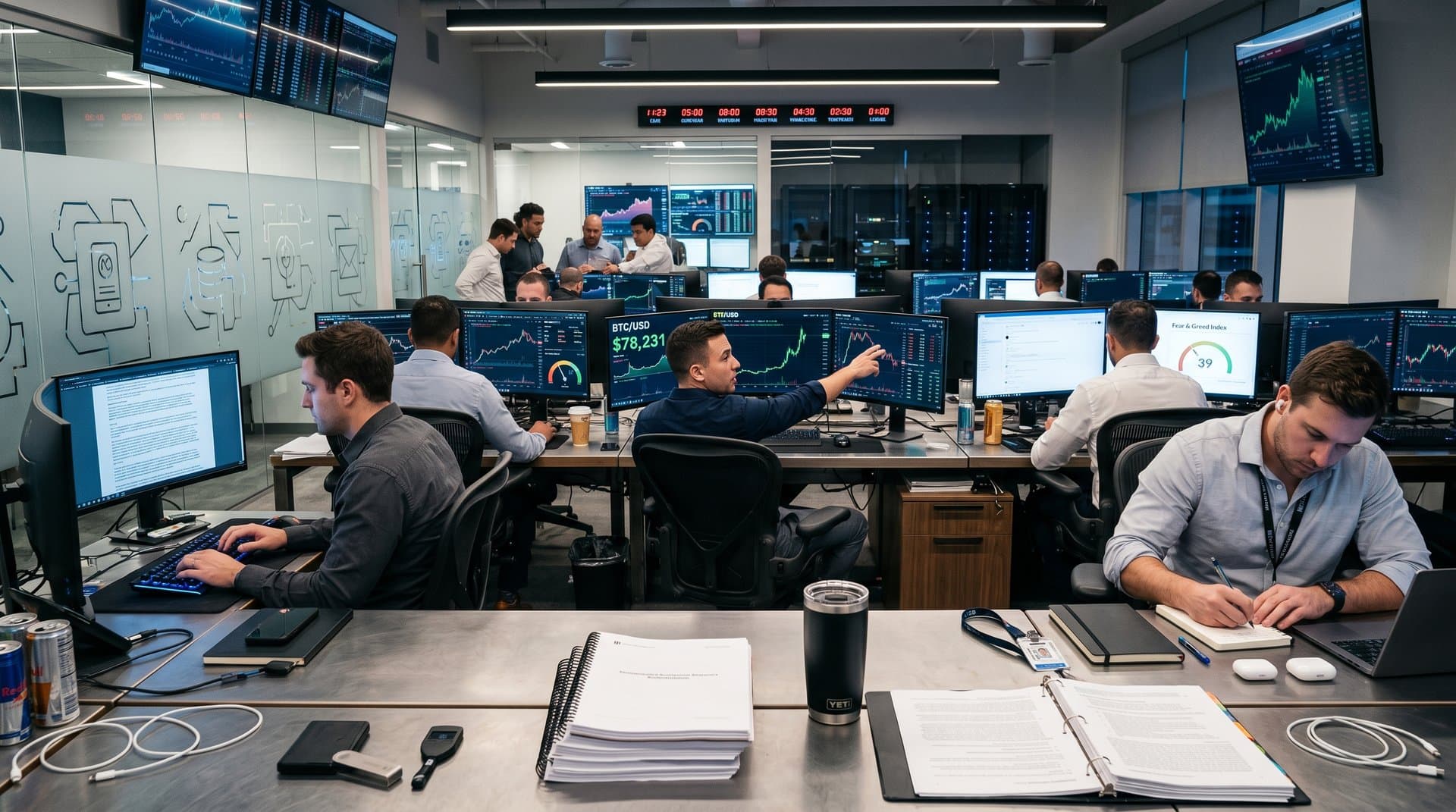
Columnist Goldberg calls for banning AI in US classrooms. He wrote this in a Winnipeg Sun op-ed on October 10, 2024. His words spark debate among teachers and tech experts. The Crypto Fear & Greed Index fell to 33. This index gauges crypto investor sentiment from 0 (extreme fear) to 100 (extreme greed). Bitcoin traded at $78,247 USD, up 1.2% that day, per CoinMarketCap.
Goldberg's Push for Banning AI in US Classrooms
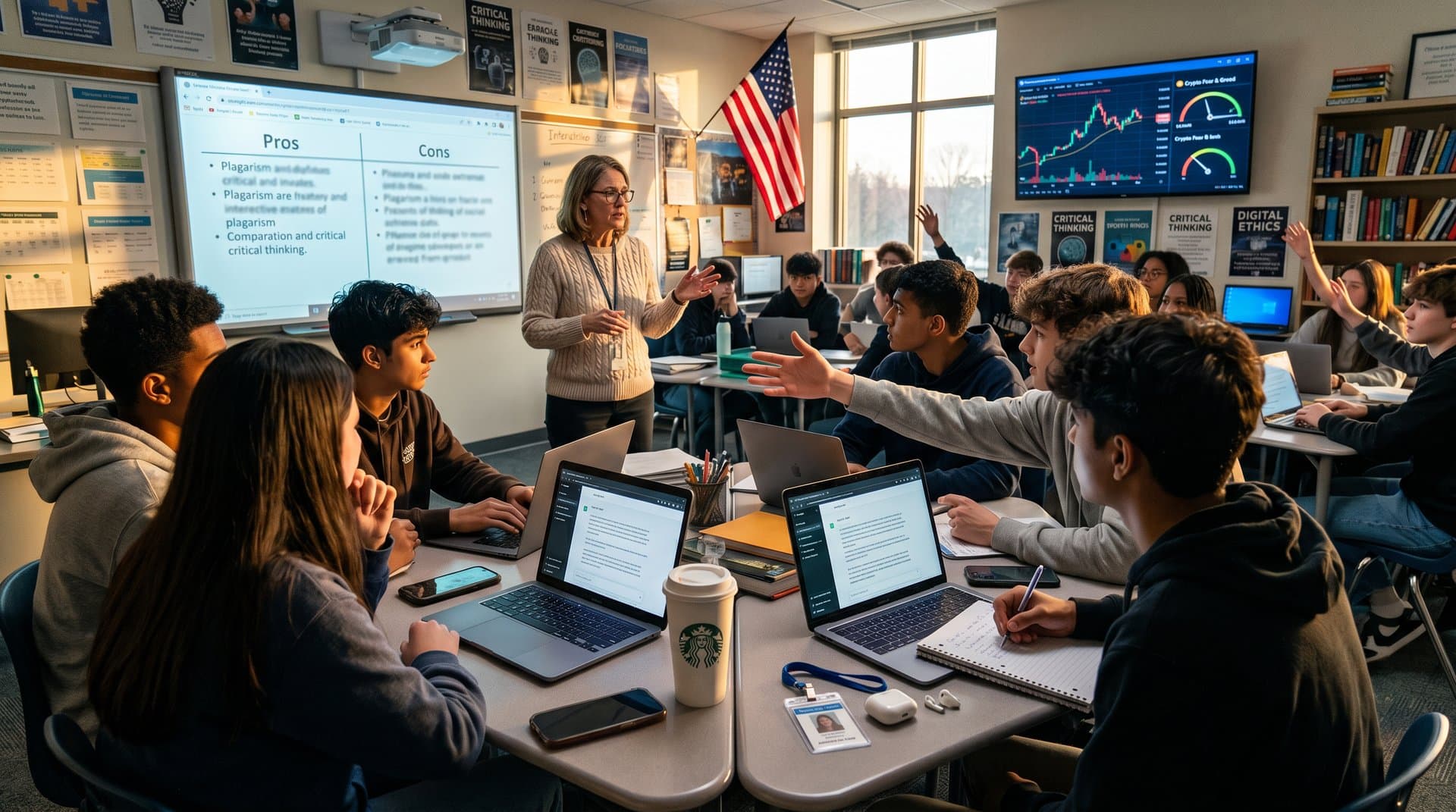
Goldberg argues AI tools like ChatGPT hurt students. Kids get instant homework answers. This skips critical thinking skills. Teachers see a 30% plagiarism rise since ChatGPT launched in 2022, per Turnitin data.
Students depend too much on AI. They lose practice in analysis and writing. Goldberg, writing from Canada, targets US policy. His op-ed revives demands for national rules on classroom AI use.
Edtech Firms Counter with Safe AI Tools
Tech companies respond fast. They create school-safe AI versions. Khan Academy launched AI tutors. These offer personalized math practice.
Duolingo tweaks language lessons live. Google Classroom adds Gemini AI for quizzes. Microsoft Copilot helps outline essays without cheating.
OpenAI released ChatGPT Edu. This version suits universities. It blocks high cheating risks with strict controls.
AI's Impact on US Student Learning
AI speeds up teacher grading. Tools scan essays in seconds. Students run science simulations.
Rural schools struggle. Only 60% have fast internet, says the Federal Communications Commission. Urban areas lack devices for 20% of kids.
A ban might even the odds. All students build basics. Tech gaps stop widening divides.
US Policy Moves on Classroom AI Use
The US Department of Education pushes safe AI guides. California tests ethics training in schools. Texas blocks generative AI on state exams.
Districts deploy Turnitin detectors. Students dodge some via VPNs. UNESCO's AI readiness guidelines demand teacher training and bias checks.
Finance Ties: Edtech Boom Amid AI Debate
Edtech startups raised $5.2 billion USD in 2024 venture capital, per Crunchbase. Investors back AI tools with strong oversight.
The Brookings Institution forecasts 15% growth in AI learning markets. A full ban could halve that growth, their report warns.
Crypto links grow. Blockchain verifies diplomas securely. On October 10, 2024, XRP traded at $1.43 USD (up 0.8%), BNB at $635.90 USD (up 1.1%), and USDT at $1.00 USD. Data from CoinMarketCap.
Edtech stocks like Duolingo climbed 5% last week. Markets favor compliant AI over outright bans.
Enforcement Hurdles for AI Classroom Bans
A nationwide ban faces big challenges. States run schools differently. Tech firms add kid-safe features. Anthropic updates Claude AI for children.
xAI builds education bots. US lawmakers eye Europe's MiCA crypto rules, launching January 2026. These shape school tech ideas.
Google's NotebookLM summarizes lectures, per TechCrunch.
Future Path in AI Education Debate
Sal Khan of Khan Academy backs guided AI use. ISTE conferences highlight vetted tools.
Schools may ban AI for grades K-5. Older students gain access after training. Federal funds tie to AI literacy programs.
Markets stay positive. Bitcoin's rise shows optimism. Banning AI in US classrooms needs balance. Protect skills. Foster innovation. Brookings experts nod in agreement.
Frequently Asked Questions
Why does Goldberg support banning AI in US classrooms?
He says AI encourages cheating and weakens critical thinking. Students get instant answers instead of learning skills. Plagiarism rose after ChatGPT's launch.
How do US schools handle AI tools like ChatGPT now?
Many use Turnitin detectors for essays. Some block access during tests. OpenAI offers ChatGPT Edu with controls for schools.
What would banning AI in US classrooms mean for students?
It builds basic skills and cuts tech gaps. But it limits personalized learning. Experts like Sal Khan suggest hybrid approaches.
Why is the debate on banning AI in US classrooms heating up?
Goldberg's op-ed revives fears of dependency. Tech releases new edu tools yearly. Regulators consider rules like Europe's MiCA by 2026.