By Amara Johnson Online News Point April 10, 2026
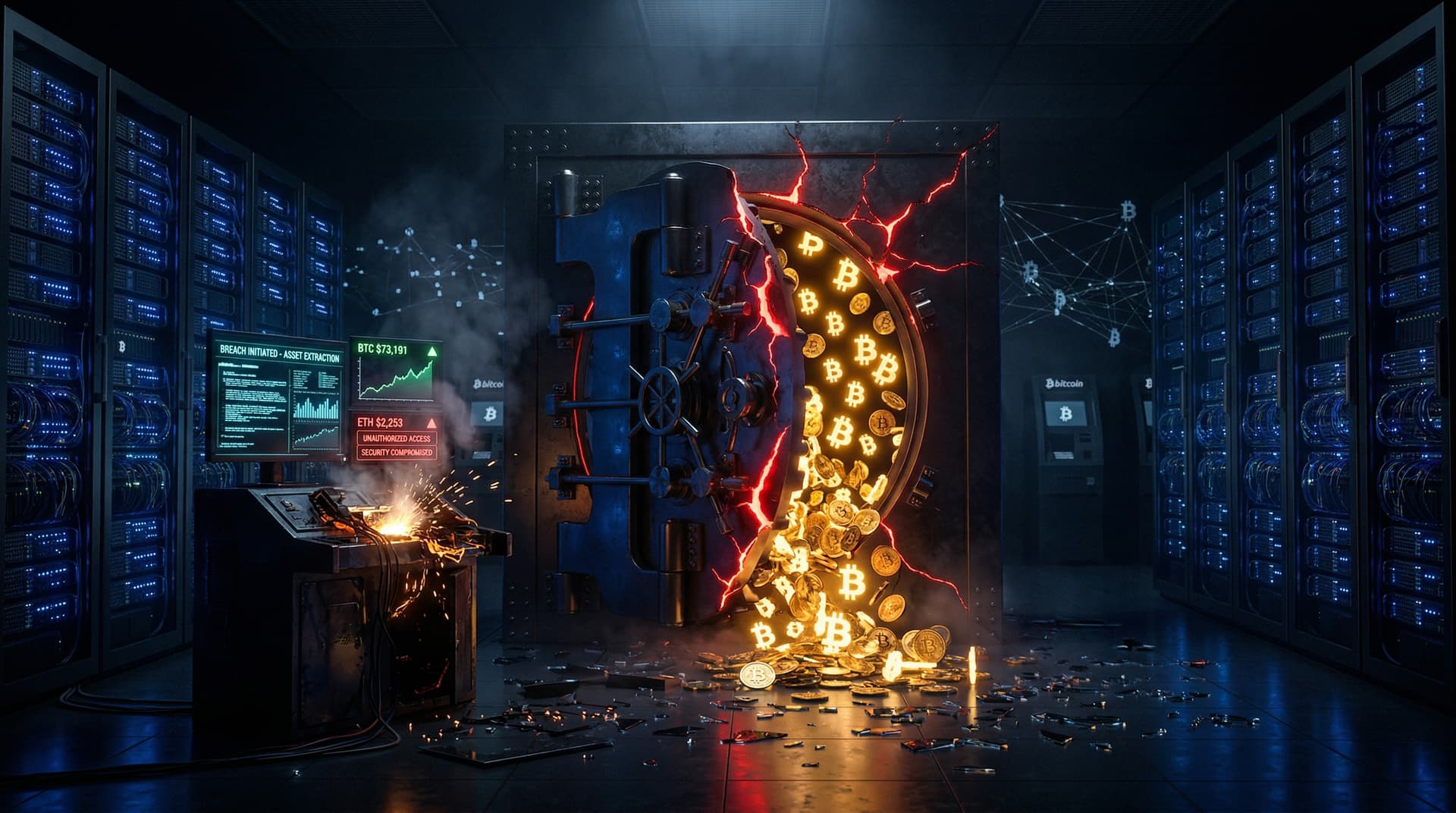
Hackers launched a Bitcoin Depot breach on April 10, 2026. They stole 49 bitcoins worth $3.6 million USD from the company's hot wallet. SC Media reported the incident first. A hot wallet stores funds online for quick ATM withdrawals.
Bitcoin Depot runs over 8,000 Bitcoin ATMs across North America. Attackers exploited a flaw in the transaction software. Security teams spotted unusual transfers at 4 a.m. ET. Hackers moved the BTC to anonymous wallets on the blockchain.
Bitcoin Depot's Response to the Breach
Bitcoin Depot shut down all U.S. ATM operations right away. The company hired Mandiant, a top cybersecurity firm, to lead the probe. CEO Brandon Mintz pledged regular updates to customers.
"Customer funds come first," Mintz said in a statement. Insurance covers the full loss. Bitcoin Depot will repay verified users after full reviews. Hackers took no customer personal data. Multi-factor authentication protected core systems. But the attackers used a zero-day exploit—a hidden software flaw unknown to the firm.
Markets Stay Calm After Bitcoin Depot Breach
Bitcoin hit $73,191 USD on April 10, 2026, per CoinMarketCap data. Its price climbed 1.2 percent that day. Ethereum rose 1.8 percent to $2,253 USD.
The Fear & Greed Index fell to 16, a sign of extreme fear (Alternative.me). Bitcoin Depot shares dropped 15 percent after hours to $2.15 USD on Nasdaq. That plunge cut the company's market cap—the total value of all its shares—sharply. Traders brushed off the news during a broader market rebound.
How Hackers Pulled Off the Fintech Breach
Hackers sent phishing emails to employees last week. Chainalysis, a blockchain tracker, followed 20 BTC to a mixer service. Mixers obscure transaction trails on the blockchain. The remaining funds flowed to DeFi platforms—decentralized apps for finance.
Bitcoin Depot kept 70 percent of its funds in cold storage. Cold storage uses offline wallets that hackers can't easily reach. The hot wallet held only daily needs. This design capped the theft at $3.6 million USD.
Crypto Thefts Surge in 2025
Crypto thefts jumped 45 percent in 2025, Chainalysis reported. Hackers grabbed $2.1 billion USD that year. Fintech firms bridge banks and blockchains. This connection opens new attack paths.
The SEC demands stricter audits now. Bitcoin Depot followed FinCEN regulations. But it lacked cutting-edge threat detection. AI systems spot attacks early and block them.
Firms need hardware security modules for wallets. Multi-signature approvals require multiple keys to move funds. Coinbase blocks 99 percent of attacks with this method (Deloitte). DeFi platforms manage $150 billion USD (DefiLlama). Users push for stronger protections from operators like Bitcoin Depot.
Bitcoin Depot plans major upgrades. It will roll out quantum-resistant encryption by Q3 2026.
Investor Impacts from the Bitcoin Depot Breach
Retail investors hold 40 percent of all Bitcoin (Glassnode). News like this sparks panic sales. Long-term holders scooped up more BTC on April 10.
Apps such as Cash App and Robinhood face the same risks. KYC processes verify users. But they miss insider threats. Blockchains track thefts only after they happen.
Lloyd's of London insures $500 million USD in crypto annually. Premiums surged 30 percent after 2025 hacks.
Users can act now. Switch to hardware wallets like Ledger Nano. Avoid large holdings on exchanges. Enable two-factor authentication everywhere. Verify transactions on Blockchair explorers. Report issues fast. Bitcoin Depot refunds verified losses within 72 hours through official channels only.
Future Security Upgrades After Bitcoin Depot Breach
Quantum computers threaten today's encryption. NIST released fresh standards last year. Leading firms adopt them today.
CrowdStrike teams up with companies to hunt threats. AI detects problems 80 percent faster (Gartner). Bitcoin Depot will deploy these tools soon.
The EU's MiCA rules mandate regular audits. The U.S. FIT21 Act launches in 2026. Bitcoin Depot's swift response could rebuild user trust fast.