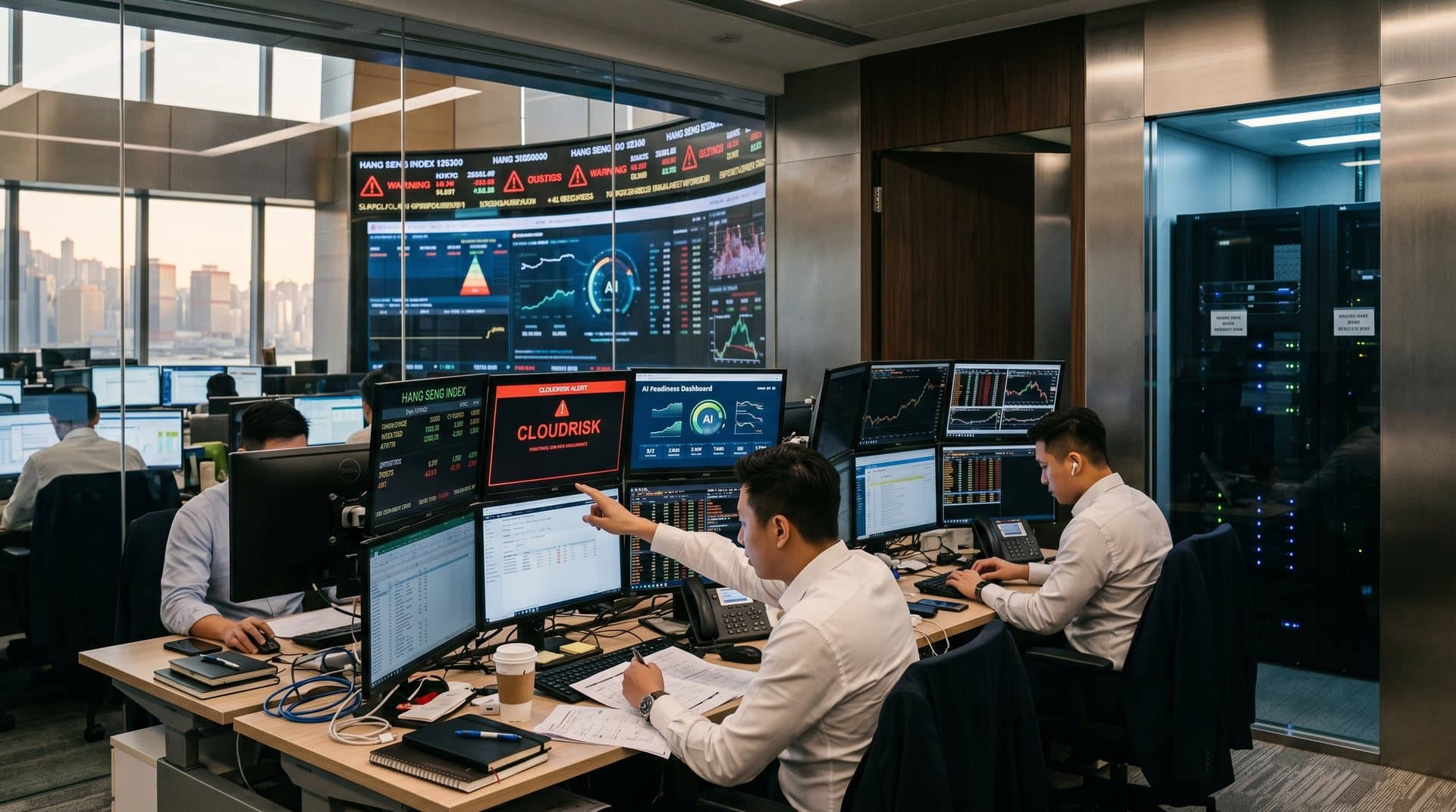
- 1. Goldman Sachs banned Claude AI in Hong Kong's $4.5 trillion banking hub to enforce cloud AI governance.
- 2. Banks adopt internal and on-premise AI, cutting costs 20-30% while boosting security.
- 3. HKMA fines and EU AI Act from 2026 tighten cloud AI governance with audits.
Goldman Sachs banned Anthropic's Claude AI for its Hong Kong bankers in 2024. The Financial Times reported the decision on October 15, 2024. Bankers can no longer use Claude for market analysis or reports. Cloud AI governance means banks must control all data flows to stop leaks from public cloud servers.
Hong Kong has over 160 licensed banks. They manage $4.5 trillion in assets under strict regulators. Claude runs on Amazon Web Services (AWS) servers. These public clouds could send sensitive trading data outside Hong Kong.
HKMA Rules Drive Cloud AI Governance and Claude Ban
The Hong Kong Monetary Authority (HKMA) sets tough technology rules. Its 2023 Technology Risk Management Guidelines require firms to protect client data and trading strategies. The HKMA published these guidelines on its website.
Cloud AI tools like Claude send user queries to remote servers. Those queries often include stock picks or client portfolios. Sending data abroad breaks privacy laws. Goldman Sachs now directs staff to approved internal AI systems.
HKMA audits banks and fines violators up to HK$10 million ($1.28 million USD). Anthropic claims Claude is secure. Its safety features appear on Anthropic's Claude page. Banks demand proof of data controls before use.
Banks Build Cloud AI Governance Frameworks for Data Security
Cloud AI governance sets rules for data handling, audits, and transparency. Goldman Sachs created its own framework. It keeps AI inside secure networks.
The bank's technology overview page details these systems. JPMorgan Chase trains internal AI models, per its 2023 annual report filed with the U.S. SEC. JPMorgan avoids public clouds for trading to prevent leaks worth billions.
Regulators in the U.S., EU, and Asia enforce similar standards. The Basel Committee on Banking Supervision issued matching tech risk guidelines in 2023.
Major Banks Shift to Internal AI Under Cloud AI Governance
Hong Kong bankers once used Claude for fast reports and trends. Goldman routes tasks to in-house tools now. Short-term productivity falls 10-15%. Long-term security improves.
HSBC reviews AI vendors in detail, according to its 2024 risk committee report. The bank runs deep audits first. Fintech startups build governance into their products from launch. This helps them win bank clients.
Zero-trust systems check every AI query. Firewalls block threats. They log all data flows for audits.
On-Premise AI Grows Fast in Finance for Cloud AI Governance
Public cloud AI gives quick answers. It lacks oversight. On-premise systems like Nvidia DGX offer air-gapped security. Banks use them for trading and risk math.
These systems train on private data. They beat general models like Claude on bank tasks. Users save 20-30% on costs versus cloud fees.
Nvidia stated in its Q4 2023 earnings call that banks bought over 1,000 DGX units for AI. This demand rose 25% year-over-year.
Global Rules Tighten Cloud AI Governance by 2026
The EU AI Act starts in 2026. It requires risk checks for finance AI. Hong Kong follows Basel Committee tech risk rules.
The U.S. SEC outlined AI trading reviews in its 2024 agenda. Banks run pilot tests under stress. AWS offers certified private clouds as options.
Goldman Sachs' Claude ban shows a big shift. Other banks speed up reviews. Future audits will enforce stricter controls. Banks with strong cloud AI governance will lead the pack.
Frequently Asked Questions
Why did Goldman Sachs ban Claude AI in Hong Kong?
Cloud AI governance risks from AWS servers led to the 2024 ban. HKMA rules protect $4.5 trillion in sensitive banking data.
What does cloud AI governance mean for global finance?
It requires data sovereignty, audits, and transparency. Banks block public clouds to secure strategies worth billions.
How does cloud AI governance affect fintech firms?
Fintechs must audit vendors early and use hybrid clouds. This builds bank trust despite public AI limits.
What alternatives replace public cloud AI in banks?
Internal LLMs and Nvidia DGX on-premise systems provide control. They excel in secure risk modeling.