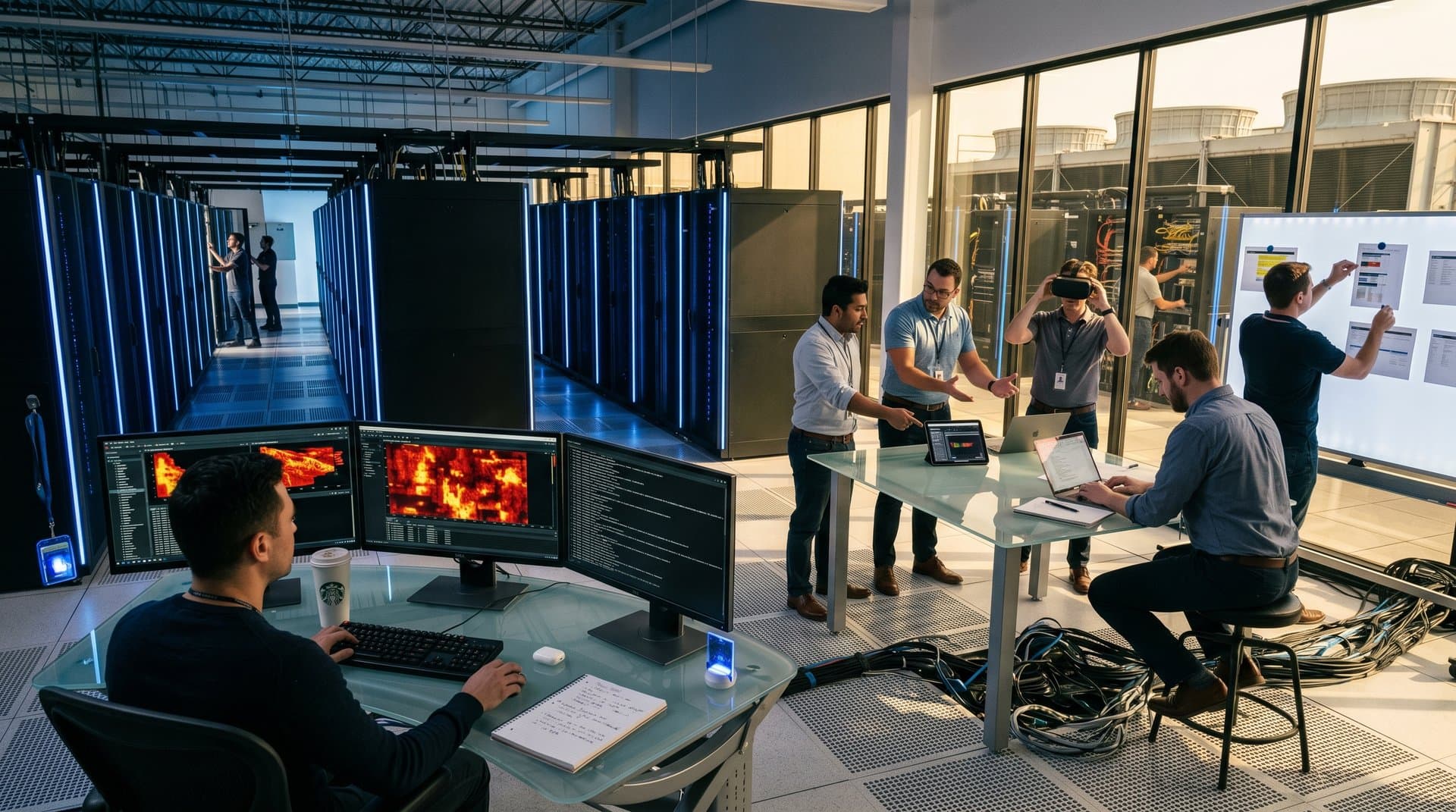
Google's quantum disclosure on April 11, 2026, warns that quantum computers threaten encryption in Bitcoin and Ethereum. Google's Quantum AI Lab shared these findings responsibly. The team alerted developers first. This step follows cybersecurity best practices. It gives the industry time to build defenses before threats grow.
Key Threats from Quantum Computers
Quantum computers solve specific math problems much faster than regular computers. They rely on Shor's algorithm to crack elliptic curve cryptography, or ECC. Bitcoin and Ethereum use ECC in ECDSA signatures. ECDSA, or Elliptic Curve Digital Signature Algorithm, verifies transactions on the secp256k1 curve.
A strong quantum computer could derive private keys from public keys in hours. Attackers would then steal funds from wallets. These quantum vulnerabilities hit crypto cybersecurity hard.
Google researchers tested attacks on the Sycamore quantum processor. They proved partial breaks work today. NIST estimates full threats stay years away.
How Google Handled the Disclosure
Google notified Bitcoin Core developers in January 2026. The company also warned the Ethereum Foundation.
Developers now add post-quantum cryptography. These systems use lattice-based algorithms. Quantum computers struggle with lattice math problems.
Chainalysis reports 80% of exchanges plan quantum-resistant wallets by 2028. JPMorgan Chase praised Google's proactive move.
Crypto Market Reaction
Bitcoin traded at $72,868 USD on April 11, 2026. It rose 1.5%. Ethereum hit $2,241.33 USD, up 2.5%.
XRP stood at $1.36 USD, gaining 0.8%. BNB reached $605.54 USD, up 0.6%. USDT stayed stable at $1.00 USD.
The Crypto Fear & Greed Index fell to 15. This index measures trader sentiment from fear to greed.
Binance trading volume spiked 20%, per CoinMarketCap data. Prices recovered fast. Experts note years of prep time remain.
Steps to Post-Quantum Security
NIST leads post-quantum cryptography standards. CRYSTALS-Kyber handles key exchange for encryption. Dilithium manages digital signatures.
Bitcoin developers propose soft forks. These updates add hybrid encryption without splitting the network.
Ethereum's Pectra upgrade checks for quantum resistance. Google backs these efforts.
Quantum hardware advances slowly. IBM aims for a 1,000-qubit system in 2027. Error-corrected machines may arrive after 2030.
Leader Responses
Vitalik Buterin, Ethereum co-founder, tweeted support on April 11, 2026. He called Google's quantum disclosure "timely."
Coinbase invests $50 million USD in quantum research labs. Kraken tests Kyber integration. Banks explore quantum-safe tokenized assets.
Quantum risks threaten traditional finance too. They could break RSA encryption keys. The disclosure helps all sectors.
Advice for Crypto Users
Retail investors face low short-term risk. No quantum computer performs full attacks yet.
Use hardware wallets with air-gapping. This keeps keys offline and safe from hacks. Exchanges upgrade backends first.
Quantum-resistant tech boosts trust. It speeds up crypto adoption.
Future Innovations
Google researches quantum key distribution, or QKD. QKD uses physics for unbreakable encryption. It spots any eavesdroppers.
Fintech firms secure DeFi platforms. Aave and Uniswap audit signatures against quantum threats.
Venture capital in quantum-secure crypto hit $2 billion USD in 2026, per PitchBook.
The SEC requires quantum risk disclosures now. The EU and Asia run pilot programs.
Stronger Crypto Ahead
Google's quantum disclosure sets a responsible model. It prevents panic and exploits.
The industry unites for resilience. Finance adopts secure tech faster. All stakeholders prepare for the quantum era.