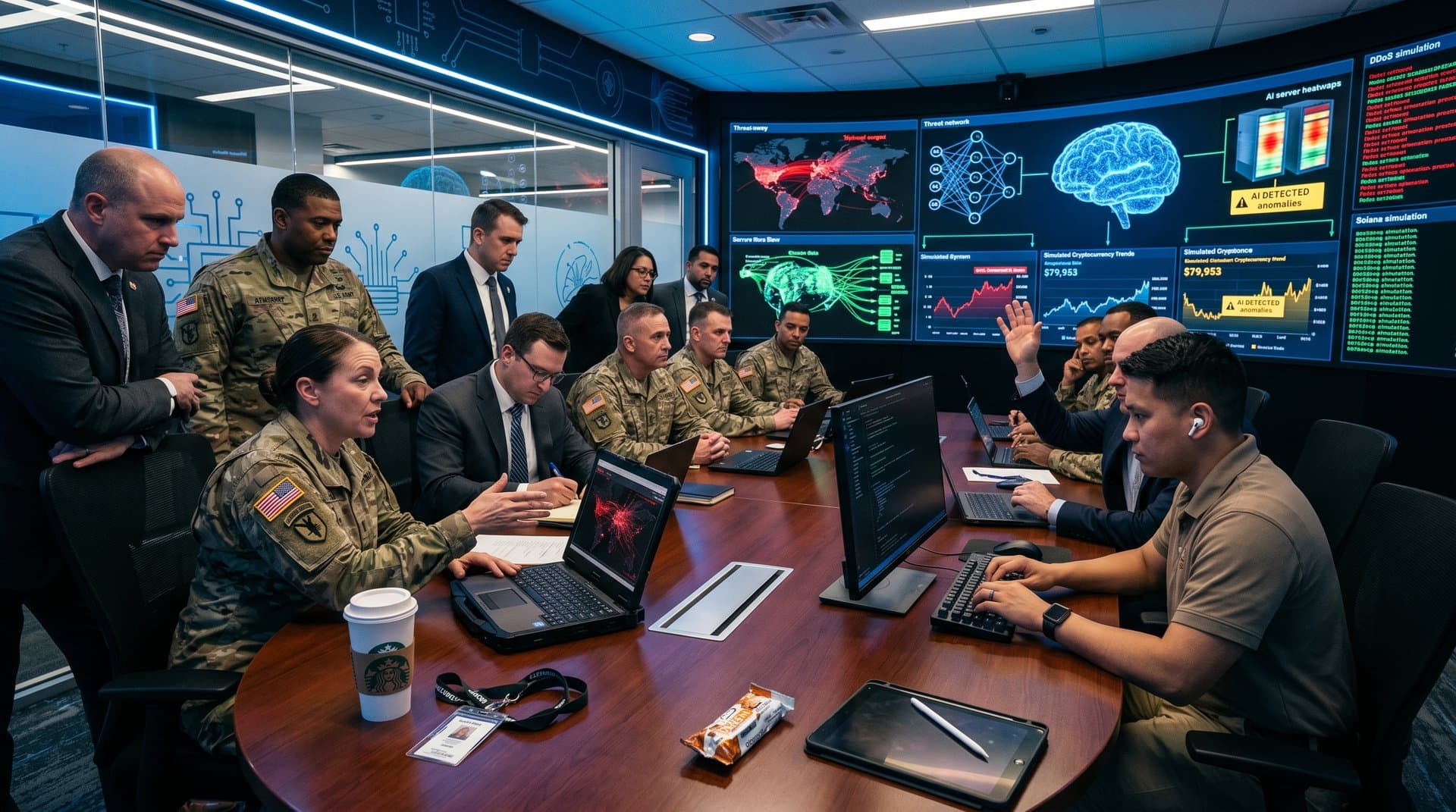
- 1. Strix.ai uncovered zero-auth multi-tenant flaw in DoD SaaS, enabling cross-tenant data access.
- 2. Vendor patched quickly; exposes zero trust gaps in defense contractors.
- 3. Fintech and crypto face identical risks amid Bitcoin's $80K surge.
Strix.ai uncovered a multi-tenant authorization vulnerability in a U.S. Department of Defense (DoD) contractor's software-as-a-service (SaaS) platform. This flaw—a failure to properly isolate customer data—let users access and delete other tenants' data without logging in. Strix.ai detailed the issue in their blog post.
The bug affected delete and read endpoints. Requests from one customer reached another's tenant. The vendor fixed it fast after Strix.ai's responsible disclosure.
DoD requires zero trust security. This model verifies every access request. It assumes no user or device is trustworthy by default.
What Is a Multi-Tenant Authorization Vulnerability?
Multi-tenant SaaS serves many customers from one app instance. Providers like AWS use this to cut costs. Each customer has a unique tenant ID. Apps must check this ID on every request.
Strix.ai found missing checks. Delete endpoints skipped tenant IDs. Read paths required no authentication token. Attackers could steal or erase data with ease.
The Cloud Security Alliance (CSA) warns of these risks. CSA calls for app-layer isolation and hypervisor controls. DoD demands encryption for sensitive data.
Breaches cost big. IBM's 2024 Cost of a Data Breach Report lists the average at $4.88 million USD. Financial firms face $5.9 million USD per incident, per the IBM report.
Strix.ai's Pentest Reveals the Flaw
Strix.ai conducted penetration tests, or pentests. They created test tenants. Tools like Burp Suite scanned APIs.
Tests proved tenant A's delete request hit tenant B's data. Public endpoints leaked info without authentication. Strix.ai confirmed cross-tenant attacks succeeded.
The vendor patched within days. No production data leaked due to swift action.
Strix.ai followed NIST SP 800-207. NIST outlines zero trust for multi-tenant clouds.
Why DoD Contractors Face High Risks
DoD contractors handle mission plans and tech secrets. SaaS boosts speed but shares infrastructure risks. Breaches expose unclassified data or intellectual property.
DoD's Zero Trust page demands checks on all access. Executive orders require cloud micro-segmentation.
This flaw highlights gaps. Breaches trigger audits. Supply chain SaaS users pay steep costs.
Defense budgets exceed $850 billion USD yearly. One flaw risks fines or lost contracts.
Fintech and Crypto Share These Risks
Fintechs like Coinbase rely on multi-tenant SaaS for KYC and trading. Zero-auth flaws threaten user funds and identities.
Bitcoin hit $80,157 USD on October 10, 2024. Its market cap reached $1,605 billion USD, per CoinMarketCap. The price rose 2.2% that day.
Ethereum traded at $2,358.62 USD. Its cap stood at $284.7 billion USD. The Crypto Fear & Greed Index hit 50 (neutral), per Alternative.me.
Security scares move markets. A 2023 hack dropped Bitcoin 5%. Multi-tenant flaws worsen volatility.
2026 Rules Demand Better Isolation
EU's MiCA regulation starts January 2026. It requires tenant isolation. ESMA enforces it.
U.S. SEC pushes similar rules for crypto and banks.
The global SaaS security market will reach $10.5 billion USD by 2026, per MarketsandMarkets.
Best Practices Block Multi-Tenant Flaws
Verify tenant IDs on every API call. Pull them from JWT tokens in middleware.
Audit with OWASP ZAP or Burp Suite. Embrace zero trust: verify always, assume breach.
Pentest quarterly. Use Splunk for anomalies. Strix.ai proves these steps work.
CSA and NIST push defense-in-depth. Combine network, app, and encryption controls.
Zero Trust Shapes 2026 Security
DoD speeds zero trust adoption. Contractors scrutinize SaaS vendors closely.
Fintechs and crypto platforms adapt quickly. Banks add isolation. Exchanges secure APIs.
New DoD rules target multi-tenant authorization vulnerability tests. Compliance wins contracts. Security shields $1.6 trillion USD crypto markets.
Frequently Asked Questions
What is a multi-tenant authorization vulnerability?
SaaS apps fail to isolate customer data. Users access others' info without checks. Strix.ai's DoD case allowed zero-auth reads and deletes.
How does it impact DoD contractors?
It risks leaks of sensitive data across tenants. Breaches spark audits and lose trust. DoD and NIST zero trust rules address it.
What prevents these vulnerabilities?
Verify tenant IDs per API call. Pentest with Burp Suite. Follow NIST SP 800-207 zero trust guidelines.
Why zero trust for DoD SaaS?
It checks every access to close zero-auth gaps. DoD mandates it for clouds. It secures multi-tenant defense and fintech setups.