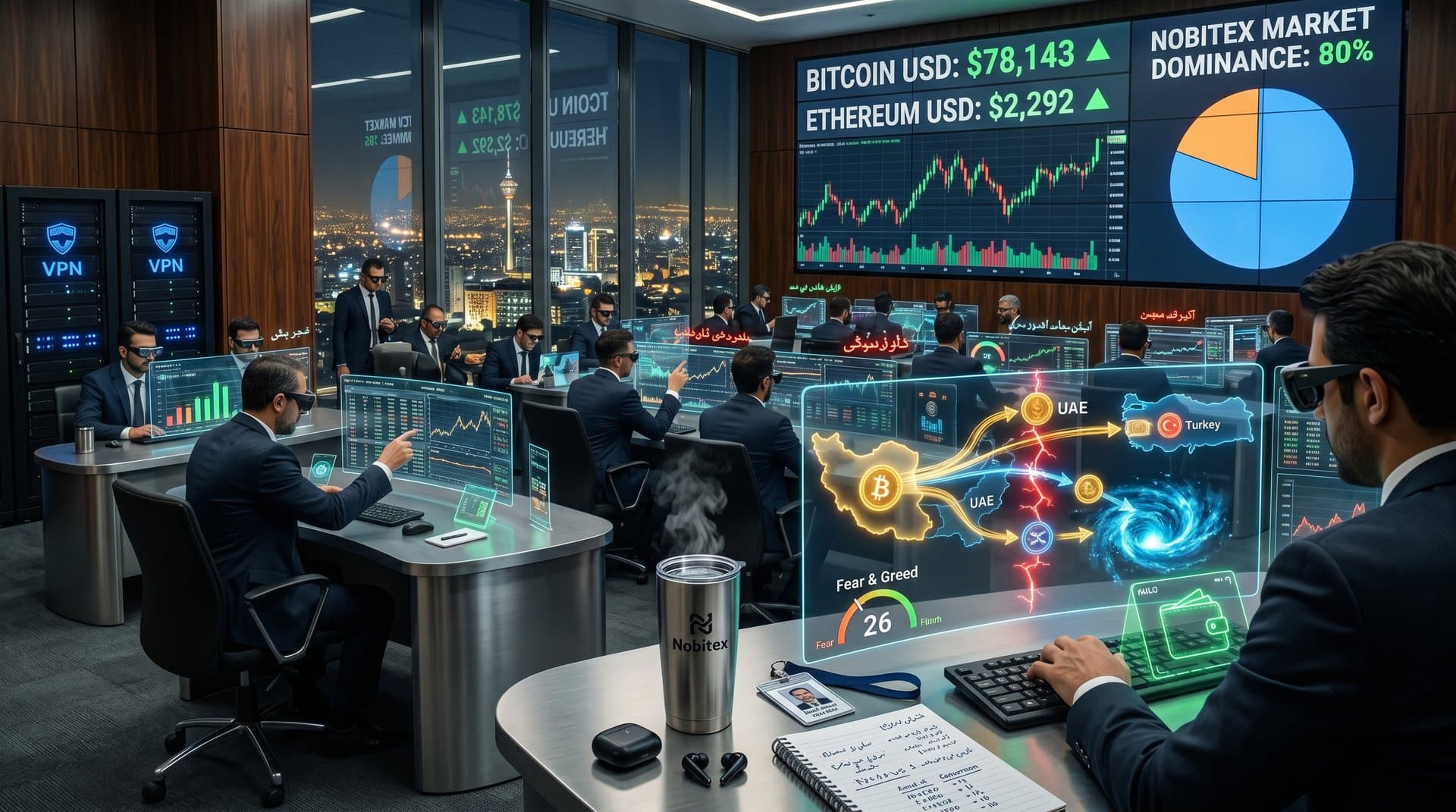
- Fear & Greed Index drops to 23, marking extreme fear on April 16, 2026.
- Bitcoin holds at $74,657 USD, up 0.6%, as users seek offline stability.
- NaviDial gadgets offer voice info without internet, with sales up 150%.
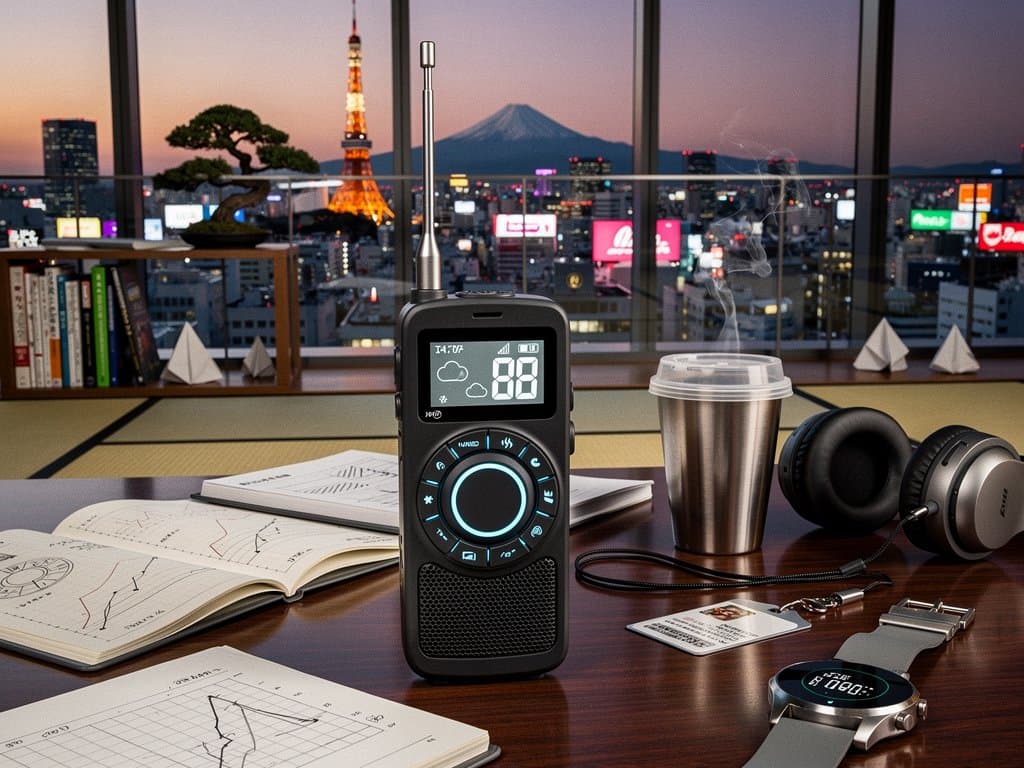
Japan's telecom giant NTT relaunched NaviDial on April 16, 2026. These portable gadgets deliver voice-guided navigation, weather updates, and local info without internet or smartphone apps. Extreme crypto fear fuels their 150% sales jump in Q1 2026, per NTT filings.
The Crypto Fear & Greed Index fell to 23. This score signals extreme market panic. Investors sell assets fast, which pushes prices down further.
Crypto Fear at 23 Sparks Mass Selling
Alternative.me tracks the Fear & Greed Index from 0 (extreme fear) to 100 (extreme greed). At 23, panic rules. Traders dump holdings. This creates buying opportunities for calm investors.
Fear slams crypto prices. Bitcoin holds at $74,657 USD, up 0.6% today, per CoinGecko. Ethereum stays flat at $2,336.76 USD. XRP rises 3.8% to $1.42 USD. BNB gains 0.2% to $620.99 USD. Stablecoin USDT holds at $1.00 USD.
Investors turn to non-digital tools. NaviDial provides stability when crypto servers crash from high trading volume.
NaviDial Gives Key Offline Info
Users dial short codes on NaviDial gadgets. They get instant voice responses. Access traffic routes, weather forecasts, or restaurant guides. No data plans needed.
NTT powers these with basic phone lines. Devices speak in Japanese using simple voice technology. Pocket-sized units work for anyone.
NTT logs over 500,000 daily calls at peak. This shows strong demand for offline reliability.
NaviDial History from 1980s Japan
NTT started NaviDial in the 1980s. Households dialed codes like 1xx or # prefixes for quick info. Smartphones later reduced its use.
Engineers built analog systems for durability. Phone lines outlast blackouts and disasters better than internet. NTT data proves 99.9% uptime in the 2011 earthquake.
New handheld versions pack this tech. They look like retro Nokias with antennas. Prices start at $49 USD on Japanese e-commerce sites.
Modern NaviDial Fits Daily Life
Latest models add solar chargers. Batteries last 4 weeks. Each unit weighs 180 grams and fits pockets.
Rural delivery drivers use them for routes without 5G. Commuters save on data bills and avoid app overload.
Privacy shines. No apps track locations or face hacks. Users own their data.
Gadget sales rose 150% in Q1 2026, NTT filings show. Crypto swings speed this trend.
Crypto Panic Boosts NaviDial Sales
Fear at 23 makes digital tools risky. Crypto exchanges overload in sell-offs. NaviDial lines stay open.
Traders stock offline backups. Hedge funds test blackouts with dial phones.
Wired magazine spotlights digital minimalism in a Cal Newport interview. People crave simple tech amid screen fatigue. NaviDial fits this shift.
Urban Japanese lead buys. Global crypto fans import units. Fear spikes trigger stockpiles.
How NaviDial Gadgets Work
Press keypad buttons for menus. AI voices reply in seconds. NTT upgraded lines with fiber optics for speed.
Calls cost under 10 yen or free for basics. No monthly fees.
Japan's MIC certified all devices. No extra licenses needed.
Finance Wins of Offline Tech
Crypto fear wipes billions in panic sales. Bitcoin's $1.4 trillion market cap swings on sentiment. NaviDial costs $50 USD but saves thousands in data and downtime.
Investors see them as hedges. Analog tech thrives when blockchains fail.
NTT stock climbed 2% on the news, Tokyo Stock Exchange data shows.
NaviDial's Role Ahead
Sales boom with Fear & Greed at 23. Greed rebound could slow demand.
Other countries test similar systems. U.S. firms trial voice dials for emergencies.
NaviDial proves analog lasts. It offers reliability when digital falters. Crypto fans watch the index for shifts.