- Solitaire simulator hits 8.590% win rate using AI.
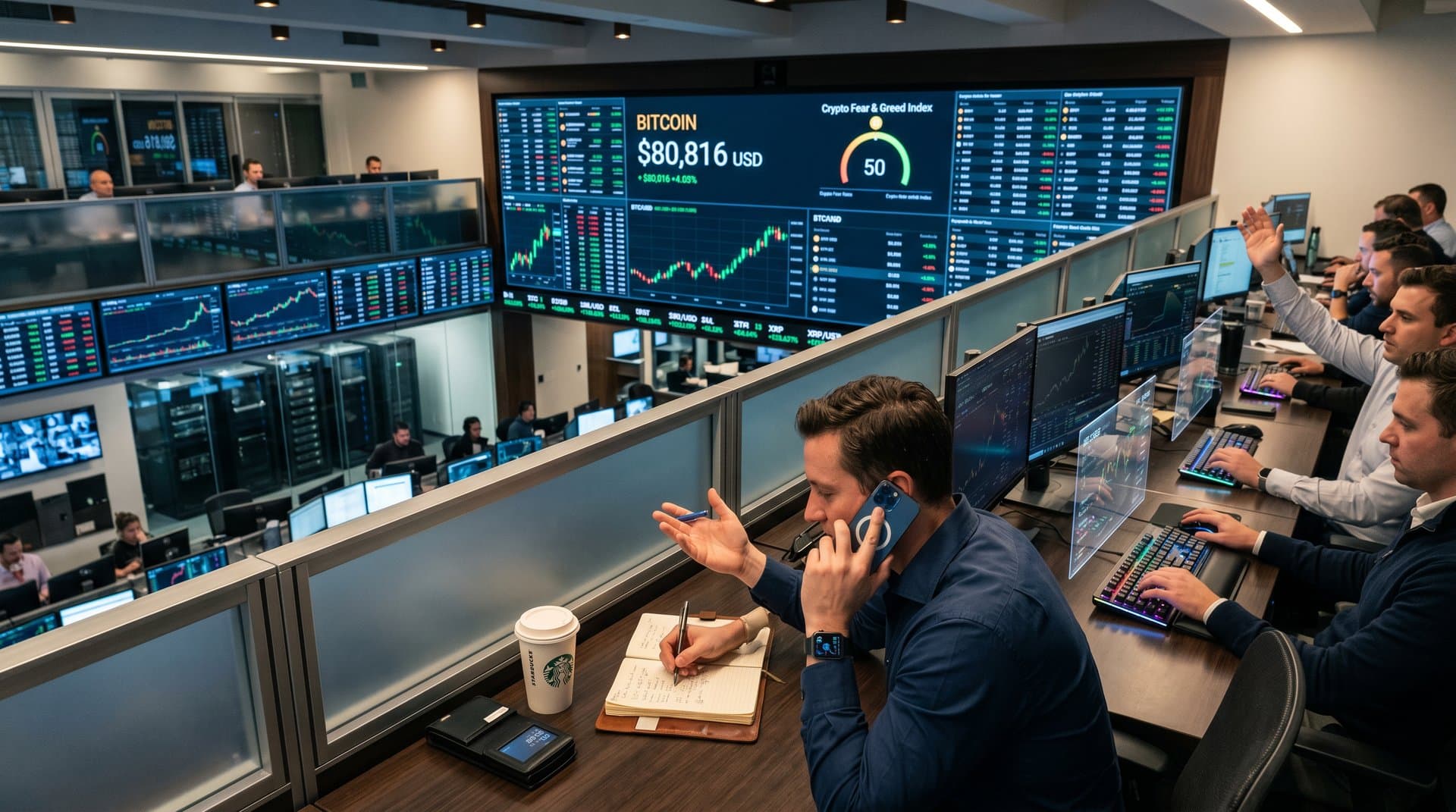
- Bitcoin reaches $77,507 USD, up 3.2% daily.
- Fear & Greed Index at 21 signals extreme fear.
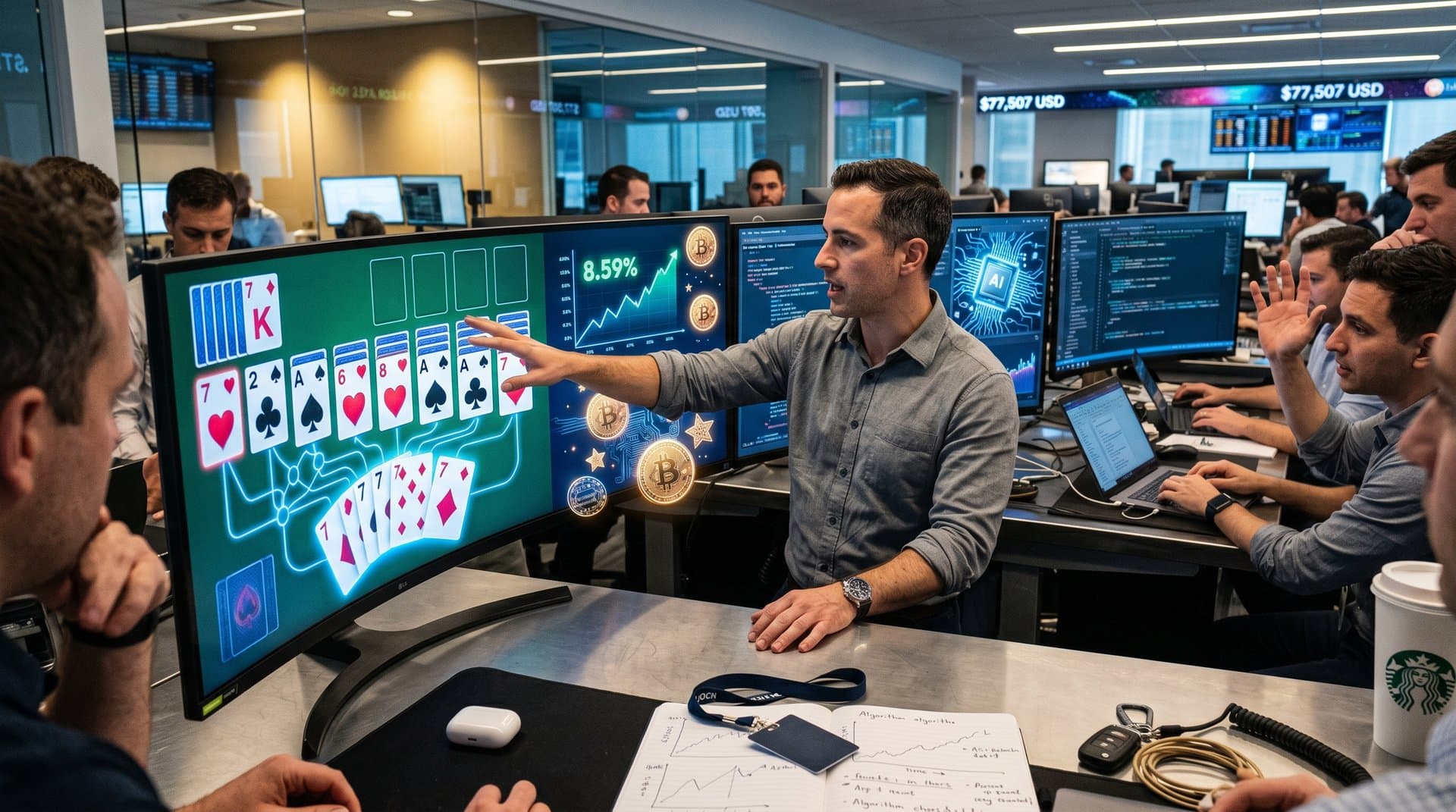
An AI-powered Solitaire simulator set a new record win rate of 8.590% in classic Klondike Solitaire. Developers used reinforcement learning. This method lets AI improve through trial and error on moves. The simulator beat past records across millions of random card deals. A GitHub project by mingrammer offers the open-source code.
Bitcoin trades at $77,507 USD today, per CoinGecko data. It gained 3.2% in the last 24 hours. The Fear & Greed Index sits at 21, according to Alternative.me. This score signals extreme fear among investors. Ethereum reached $2,431.21 USD, up 3.5%.
How the Solitaire Simulator Works
Klondike Solitaire begins with seven tableau columns. Each column holds face-down and face-up cards. Players draw cards from a stock pile to a waste pile. The goal is to build four foundation piles. Players sort cards by suit and rank, from ace to king.
The AI uses Monte Carlo tree search. This method simulates thousands of future game paths from the current board. It picks the move with the highest win chance. Neural networks assign scores to each option. Reinforcement learning rewards paths that lead to victory.
In early turns, the AI checks every possible move with brute force. Later, it applies heuristics. These are quick rules that cut down options. Google DeepMind's AlphaZero inspired this setup. The AI trains by playing millions of games against itself. Smaller models now run on smartphones. They use little battery power.
Why 8.590% Marks a Breakthrough
Human players win about 35% of Klondike deals on average. Perfect information solves up to 82% of games. Researchers at the University of Alberta proved this through math models. This simulator hit 8.590% over billions of random deals.
Previous AIs topped out at 8.53%. They ran out of search depth. This version taps GPUs for parallel computing. It explores deeper into game trees. Humans overlook these rare winning paths. Microsoft now adds similar AI to Windows Solitaire for smart hints.
Impact on Gadget Puzzle Apps
Smartphones host this AI at full 8.590% strength. Apps give users instant hints or auto-solves. On-device processing saves data and battery. Developers scale models for older phones too.
AR glasses show real-time strategies over physical cards. Wearables like smartwatches use edge AI chips. These chips handle deep searches without cloud help. App store data shows AI puzzle apps gain 20% more downloads, per developer reports from Google Play.
Puzzle games now blend with fitness trackers. They reward wins with step goals. This trend grows as chips get faster.
Fintech Lessons from Solitaire AI
Trading bots treat markets like Solitaire hands. Each deal brings uncertainty. Bots run millions of scenario simulations with decision trees. Reinforcement learning cuts losses in volatile times.
Bitcoin's climb to $77,507 USD challenges these systems. A Fear & Greed Index of 21 mirrors tough Solitaire draws. BlackRock uses AI models to manage ETF risks, as stated in their quarterly report. Crypto exchanges apply them to DeFi lending pools.
A deep reinforcement learning paper on arXiv by researchers including David Silver links puzzles to finance. It proves AI boosts predictions in chaotic markets. Leaders like Bitcoin benefit from these tools. Market cap for top cryptos now exceeds $2 trillion USD, per CoinGecko.
Future for AI Puzzles and Markets
Teams aim for 10% win rates next year. Quantum computers may push searches even deeper. Gadgets will run advanced AI without lag.
Fintech firms build risk models from puzzle algorithms. Open-source code speeds this up. Bitcoin at $77,507 USD shows the need for effective strategies. Expect AI upgrades in trading apps soon. Watch exchanges like Binance for new bot features.
This Solitaire advance proves AI masters uncertainty. It helps gamers win more. It guides traders through fear.
Frequently Asked Questions
What is the new Solitaire simulator win rate record?
It reached 8.590%. AI optimized strategies over millions of deals. This tops prior records.
How does the Solitaire simulator use AI?
It applies reinforcement learning and Monte Carlo tree search. These test outcomes and learn winning paths. Gadgets run scaled versions.
How does Solitaire AI link to crypto markets?
Trading bots use similar simulations for volatility. Bitcoin at $77,507 USD and Fear & Greed at 21 test these strategies.
Why does this matter for gadgets?
It powers smarter puzzle apps on phones. Users get AI hints with low battery use.