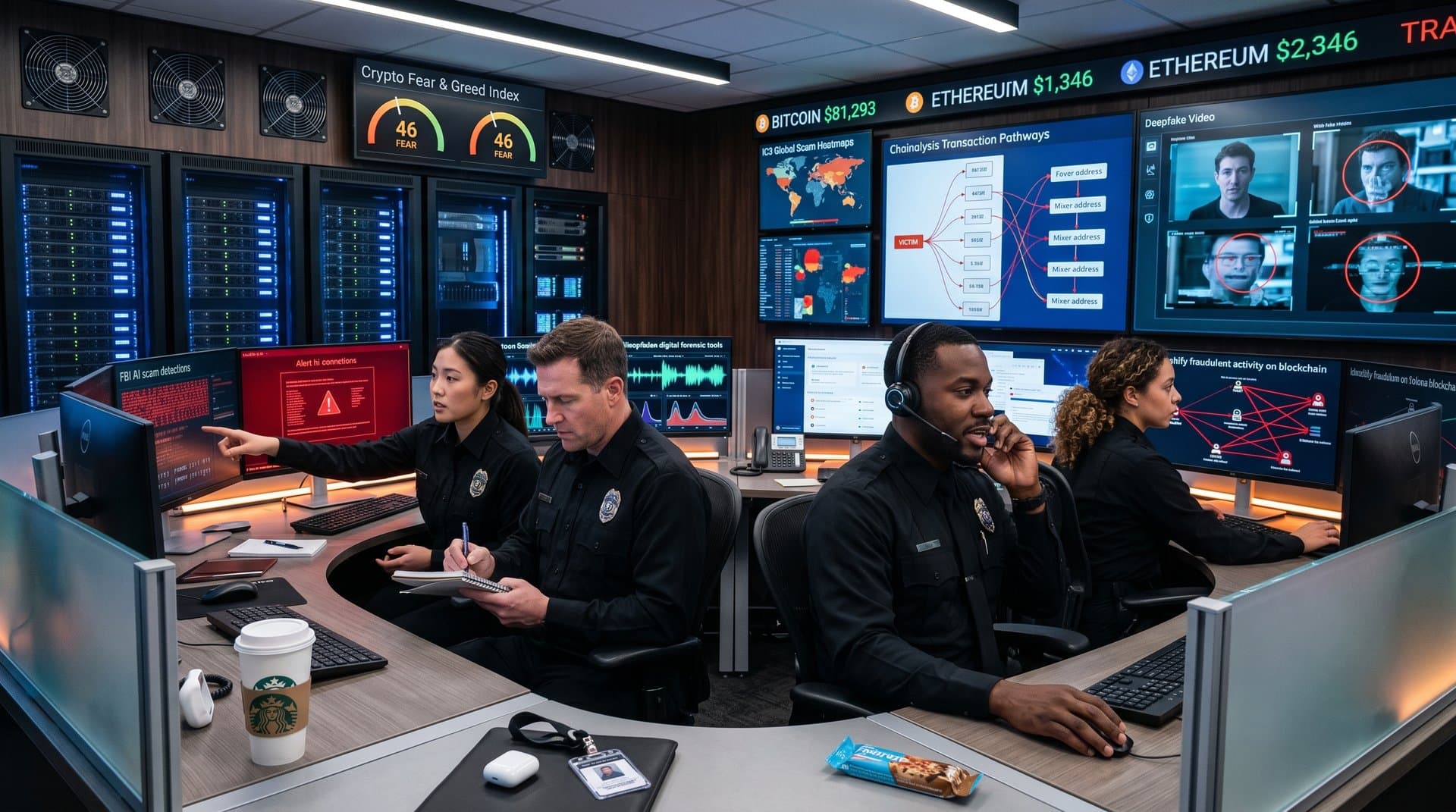
- SPEAKEaR uses ultrasound to turn speakers into mics over 5 meters away.
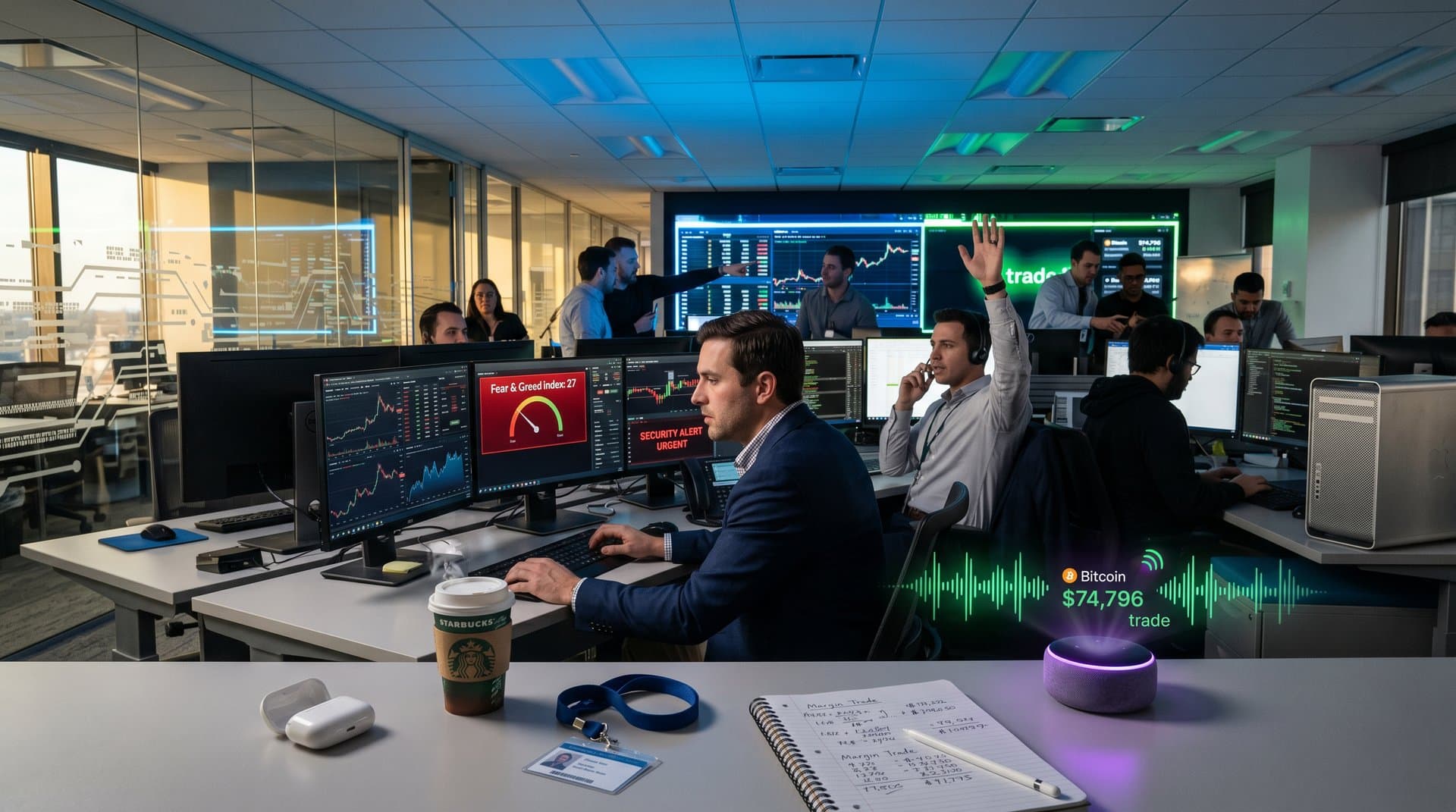
- Fear & Greed Index hits 27 as Bitcoin drops to $74,796.
- 15 billion IoT devices raise cyber risks from air-gap attacks.
Ben-Gurion University researchers revealed the SPEAKEaR vulnerability in 2017. Attackers use it to turn speakers in IoT devices into hidden microphones. This works even on air-gapped systems. Air-gapped systems stay disconnected from the internet for maximum security. See the original SPEAKEaR paper from USENIX WOOT17.
Crypto markets show fear today. Alternative.me's Fear & Greed Index fell to 27 on October 10, 2024. The index measures sentiment from 0 (extreme fear) to 100 (greed). Bitcoin dropped 1.2% to $74,796 USD, according to CoinMarketCap data that day. Ethereum fell 2.4% to $2,293.53 USD.
How SPEAKEaR Vulnerability Captures Sound
Malware on the device creates near-ultrasonic sound waves. Humans cannot hear these waves. The waves hit the speaker's coil and cone. This makes them vibrate like a microphone diaphragm. Attackers record the vibrations from meters away.
Researchers tested Dell laptops. Speakers picked up clear speech from faint signals. Amazon Echo and Google Nest devices face the same issue. Their designs allow electromagnetic interference, per USENIX WOOT17 proceedings.
Statista counts over 15 billion IoT devices worldwide in 2024. Fintech apps use voice alerts for trades and balances. Attackers can eavesdrop on sensitive talks.
Crypto Prices Drop Amid SPEAKEaR IoT Risks
- Asset: BTC · Price (USD): 74,796 · 24h Change: -1.2% · Market Cap (B USD): 1,496.7
- Asset: ETH · Price (USD): 2,293.53 · 24h Change: -2.4% · Market Cap (B USD): 276.8
- Asset: XRP · Price (USD): 1.41 · 24h Change: -0.9% · Market Cap (B USD): 87.0
- Asset: SOL · Price (USD): 85.17 · 24h Change: -1.1% · Market Cap (B USD): 49.0
Bitcoin's price drop raises borrowing costs for miners. Ethereum's fall hits DeFi lending rates.
SPEAKEaR Threatens Fintech and Air-Gap Systems
Smart home hubs and conference speakers become targets. Attackers steal talks without entering the room. Boardrooms discuss mergers. Voice prompts confirm crypto logins.
BlackRock launched Bitcoin ETFs on January 11, 2024. Leaks from speakers could expose strategies. Europe's MiCA rules start in 2026. They require better IoT security.
Banks use air-gapped systems for key storage. SPEAKEaR leaks data via emissions. Revolut ATMs use speaker biometrics. Hackers could steal PINs remotely.
Coinbase air-gaps private keys. NIST urges speaker shielding in guidelines.
Protect Devices from SPEAKEaR Vulnerability
Follow CISA IoT security guidance for patches. Disable unused speakers on routers. Use VLANs to segment IoT networks.
Enterprises adopt zero-trust setups. Users add Faraday cages around speakers. AI detects odd ultrasonic waves.
Google and Amazon plan fixes by Q1 2025. These steps shield financial voice tech. Markets stay alert with Fear & Greed at 27.
Frequently Asked Questions
What is the SPEAKEaR vulnerability?
SPEAKEaR turns speakers into secret microphones. It uses near-ultrasonic waves from malware. Ben-Gurion University researchers showed it in 2017 on air-gapped systems.
How does SPEAKEaR work on IoT devices?
Malware creates ultrasound via CPU or fan. This vibrates speaker parts to capture sound. Receivers pick it up remotely. Smart speakers stay vulnerable.
What risks does SPEAKEaR pose to fintech and crypto?
It leaks voice data from trading alerts or wallet checks. Devices at Coinbase or Revolut face threats. MiCA rules from 2026 aim to fix this.
How can you protect against SPEAKEaR?
Disable extra speakers. Add Faraday shields. Update firmware. Follow NIST and CISA guides for IoT networks.