- Tennessee bans 100+ crypto ATMs to stop scams and 10-20% fees.
- Bitcoin drops 0.2% to $76,192; Fear & Greed Index at 29 signals fear.
- Users shift to low-fee apps like Coinbase amid innovation pivot online.
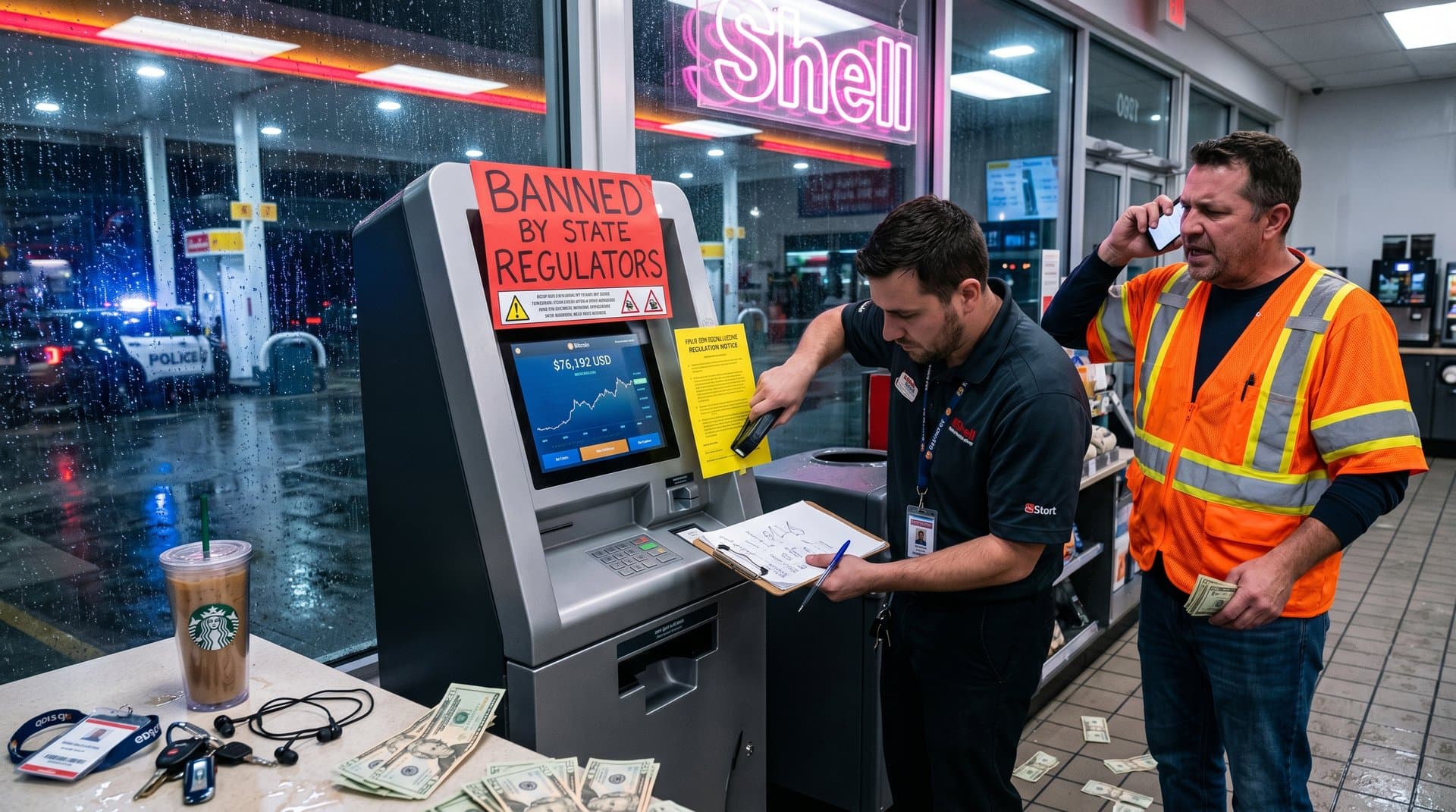
Tennessee's Department of Financial Institutions banned all crypto ATMs on October 10, 2024. The move targets scams and fees as high as 20%. The Nashville Post reported the decision first.
These machines sit in gas stations and stores. Users insert cash to buy Bitcoin or Ethereum. Operators charge 10-20% extra on top of market prices. Buyers end up paying much more than necessary. The ban focuses on unlicensed kiosks that fuel fraud.
Bitcoin trades at $76,192 USD today. It dropped 0.2% in the past 24 hours, according to CoinGecko. Ethereum fell 0.8% to $2,267.88 USD. The Fear & Greed Index, which measures trader emotions from 0 (extreme fear) to 100 (extreme greed), sits at 29 per Alternative.me. This low score shows widespread caution.
Why Tennessee Banned Crypto ATMs: Scams and High Costs
Scammers target crypto ATM users. They post fake machine locations online. Victims deposit cash but get no crypto in return. These kiosks often skip blockchain tracking. Blockchain keeps a public record of every transaction, making fraud harder to hide.
Fees hurt the most. Users pay far above Bitcoin's spot price of $76,192 USD. Regulators say these machines trap beginners. Safer apps like Coinbase deliver better rates with full transparency.
Tennessee joins a trend. Coin ATM Radar reports crypto ATMs handled over $1 billion USD last year. Bitcoin ETF approvals in January 2024 spurred more machine installs across the U.S.
The Department of Financial Institutions drove this change. State officials point to rising consumer complaints as the main trigger.
How the Ban Changes Life for Tennessee Users
The state had over 100 crypto ATMs. Now residents use apps like Binance.US or Kraken. These charge under 1% in fees.
People who rely on cash face hurdles. Many lack bank accounts. The ban pushes them online. Mobile apps improve access for the unbanked through simple tech.
Markets stay cautious. Bitcoin's price at $76,192 USD matches the Fear & Greed Index at 29. Investors worry about tighter rules.
- Asset: BTC · Price (USD): 76,192.00 · 24h Change: -0.2%
- Asset: ETH · Price (USD): 2,267.88 · 24h Change: -0.8%
- Asset: XRP · Price (USD): 1.38 · 24h Change: -0.1%
- Asset: BNB · Price (USD): 619.62 · 24h Change: -0.7%
CoinGecko supplies these prices. Stablecoin USDT holds steady at $1.00 USD.
Crypto Innovation Pivots Online After Tennessee's ATM Ban
ATM operators like BitStop now seek licenses. Tennessee requires KYC checks. KYC, or know-your-customer, verifies user identities to prevent crime.
Innovation moves to apps. Wallets like MetaMask let users swap dollars for crypto instantly. DeFi platforms on Ethereum skip physical machines entirely. DeFi offers loans and trades without banks.
Protection wins short-term. Long-term, the ban may limit cash entry for unbanked users. Crypto ATMs made up 5% of Bitcoin buys before rules tightened, per Coin ATM Radar.
Operators test biometrics and blockchain upgrades. Ethereum's Proof-of-Stake cuts energy use and speeds verifications compared to older systems.
Other States Follow Tennessee on Crypto ATM Rules
Colorado seeks to ban unlicensed ATMs, as CoinDesk reported on February 7, 2024. Florida considers matching rules. California demands clear fee displays.
These steps mature the industry. Regulated apps like Revolut speed up crypto purchases. Peer-to-peer trades gain safety from new tech.
Bitcoin stays at $76,192 USD amid fear. BlackRock's Bitcoin ETFs pull in billions from big investors. They offset retail shifts.
Tennessee's crypto ATM ban protects users from scams and wild fees. It sparks debate on access. Federal Treasury rules may soon license ATMs nationwide. States lead the push for safer crypto entry. Watch for impacts on prices and innovation.
Frequently Asked Questions
Why did Tennessee ban crypto ATMs?
Regulators cited scams and 10-20% fees. Fake listings tricked users into losing cash deposits. Kiosks lacked blockchain transparency, per Department of Financial Institutions.
What options replace crypto ATMs in Tennessee?
Apps like Coinbase or Kraken charge under 1%. Mobile wallets such as MetaMask offer fiat ramps. Bitcoin at $76,192 stays accessible online.
How does the ban affect crypto trends?
States like New York add licensing. Federal rules may standardize kiosks. Focus shifts from gadgets to apps and DeFi.
Does the ban impact Bitcoin's $76,192 price?
Minimal short-term effect. Bitcoin holds steady despite Fear & Greed at 29. ETFs drive inflows over retail changes.