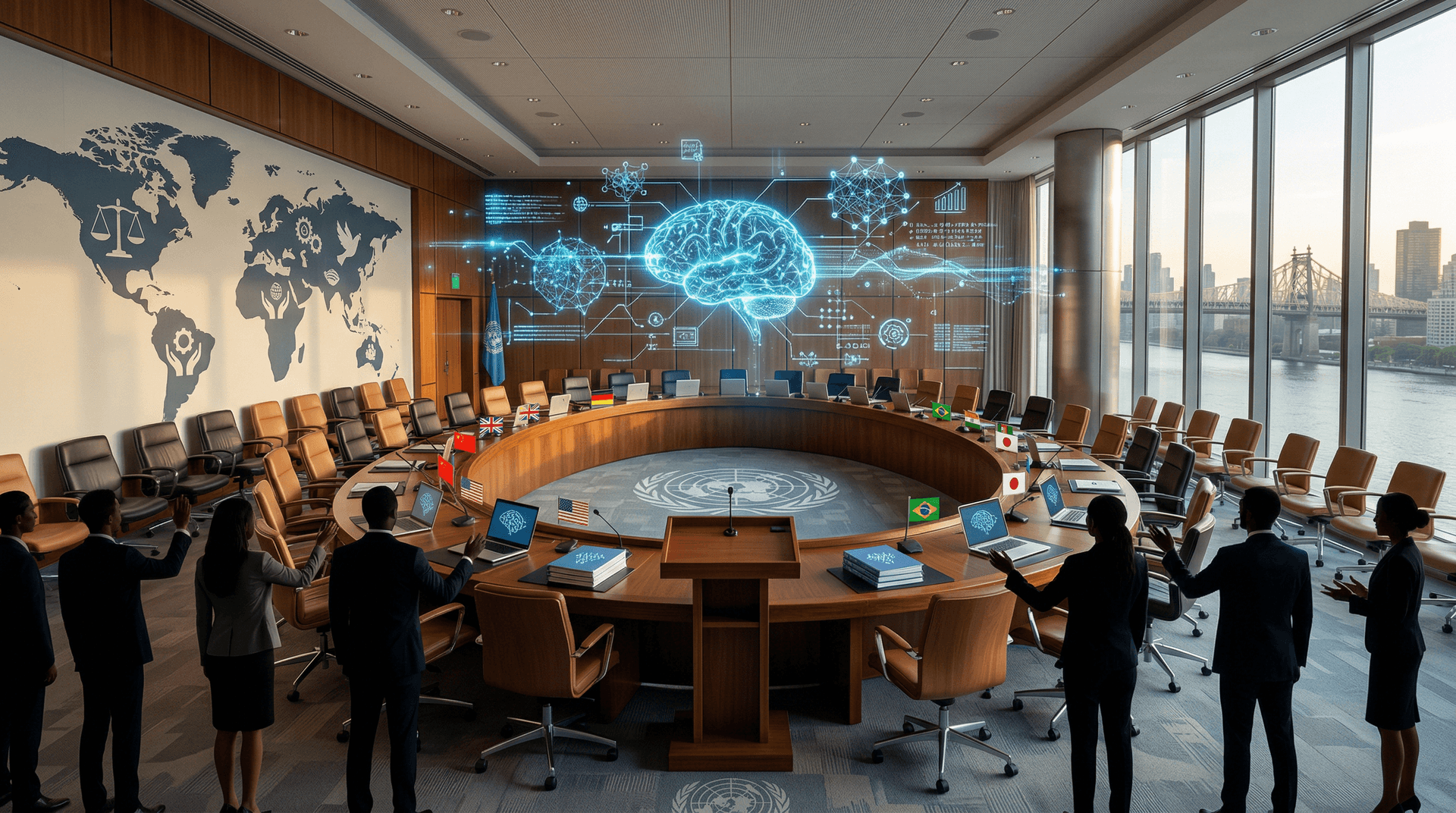
The UN AI panel launched its human-centered global impact study on April 11, 2026. The panel puts humans at the center of AI development. It seeks ethical governance frameworks for worldwide use.
Panel members met at UN headquarters in New York. Some joined virtually. They represent 193 member states. The study will review AI's effects on jobs, privacy, and economies over two years.
UN Secretary-General Antonio Guterres appointed the panel last month. It includes AI ethicists, policymakers, and tech executives. The group aims to deliver recommendations by April 2028.
UN AI Panel's Diverse Members Bring Global Views
The panel has 39 members from academia, industry, and civil society. Yoshua Bengio, a top AI researcher from Canada, chairs it. He pushes for human oversight of algorithms.
Members come from the US, China, India, and Africa. Google and Tencent sent observers. This mix tackles global AI challenges.
Women make up 45% of seats, UN data shows. The panel fights biases in AI systems. Diverse voices challenge Western tech dominance.
UN AI Panel Targets Major AI Risks
The study probes AI's impact on jobs. Automation cut 85 million jobs since 2020, World Economic Forum reports. Panelists seek ways to ease these shifts.
Privacy ranks high. Facial recognition sparks surveillance worries. The group will suggest data protection rules like Europe's GDPR, which fines violators up to 4% of revenue.
Algorithm biases harm lending and hiring. MIT studies found 30% error rates in diverse datasets. Fixes need varied training data.
Tech Leaders React to Rules
Microsoft CEO Satya Nadella praised the effort. Microsoft invests $10 billion USD in OpenAI. He wants global rules against AI misuse.
China's Baidu urges caution. They worry about limits on dual-use AI tech, which serves both civilian and military needs. Export controls already restrict chips, Bloomberg notes.
Nvidia shares dropped 2% on April 11, 2026. Its AI chips power 80% of data centers, Statista says. Investors balance innovation gains against compliance costs.
Finance Markets Show Caution
Crypto markets jittered. The Fear & Greed Index hit 15, or extreme fear, on Alternative.me data for April 11, 2026. Bitcoin traded at $72,853 USD, up 0.4%.
Ethereum hit $2,248.41 USD, up 0.9%. XRP fell to $1.35 USD, down 0.2%. BNB reached $606.30 USD, up 0.3%.
AI tokens like FET dropped 5%. Investors fear UN rules will curb decentralized AI. Fintech firms build compliant blockchain AI.
Rules may lift stablecoins. USDT stayed at $1.00 USD. Banks want UN-backed AI for fraud detection, Deloitte predicts.
AI Governance Hits Daily Life
Consumers meet AI in apps every day. Recommendation systems drive 35% of Amazon sales, company filings show. Ethical rules mean fairer results.
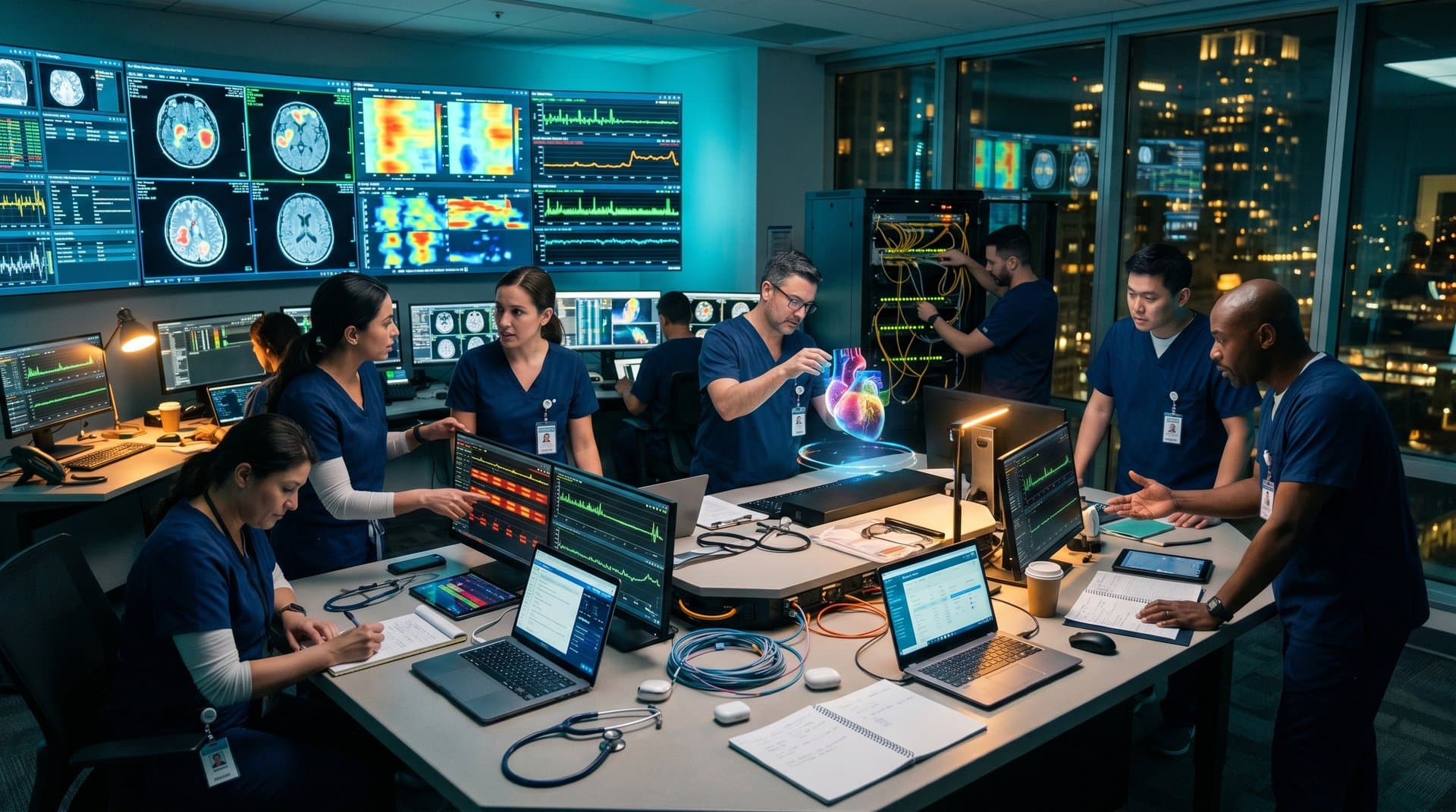
Healthcare AI speeds diagnoses. IBM Watson boosts accuracy by 60%, Lancet studies say. The panel pushes access for developing nations.
Self-driving cars cut accidents 90%, NHTSA data shows. Governance sets border-crossing safety standards.
What Governance Means for You
Workers get reskilling help. The study calls for AI training funds. Governments must fund them.
Users gain transparent AI. Labels on fake content stop deepfakes. Trust grows in tools.
Investors watch policies. AI ETF BOTZ fell 1.5% that day. Ethical AI could draw $1 trillion USD in funds by 2030, PwC forecasts.
Businesses add ethics tools. Startups design ethics in from day one. Costs rise 10-15%, McKinsey estimates.
Global Hurdles to Unity
US-China tensions slow agreement. The US holds 60% of AI patents, WIPO says. China uses AI in 70% of surveillance, Reuters reports.
Europe's AI Act sets strict rules. Fines hit 6% of revenue. The UN study seeks harmony.
Developing nations want tech sharing. Africa will supply 20% of future AI talent, McKinsey says. Aid links to ethics pledges.
Road to Final Recommendations
Public consultations start June 2026. Over 1,000 stakeholders will contribute. An interim report arrives December 2026.
Final advice could spark treaties. Guterres targets binding rules by 2030. Tech outpaces laws.
Industry self-regulates now. OpenAI issues quarterly safety reports. The UN builds on this.
Economic Gains from Smart Rules
AI will add $15.7 trillion USD to global GDP by 2030, PwC predicts. Governance enables safe growth. Delays cost 2% of GDP yearly.
Fintech thrives on AI. JPMorgan runs 300 million daily predictions. Rules standardize risks.
Crypto AI agents trade alone. Regulations clarify their status. Fetch.ai adapts early.
The UN AI panel leads. Humans guide AI progress. Markets and societies evolve side by side.