By Amara Johnson Online News Point April 10, 2026
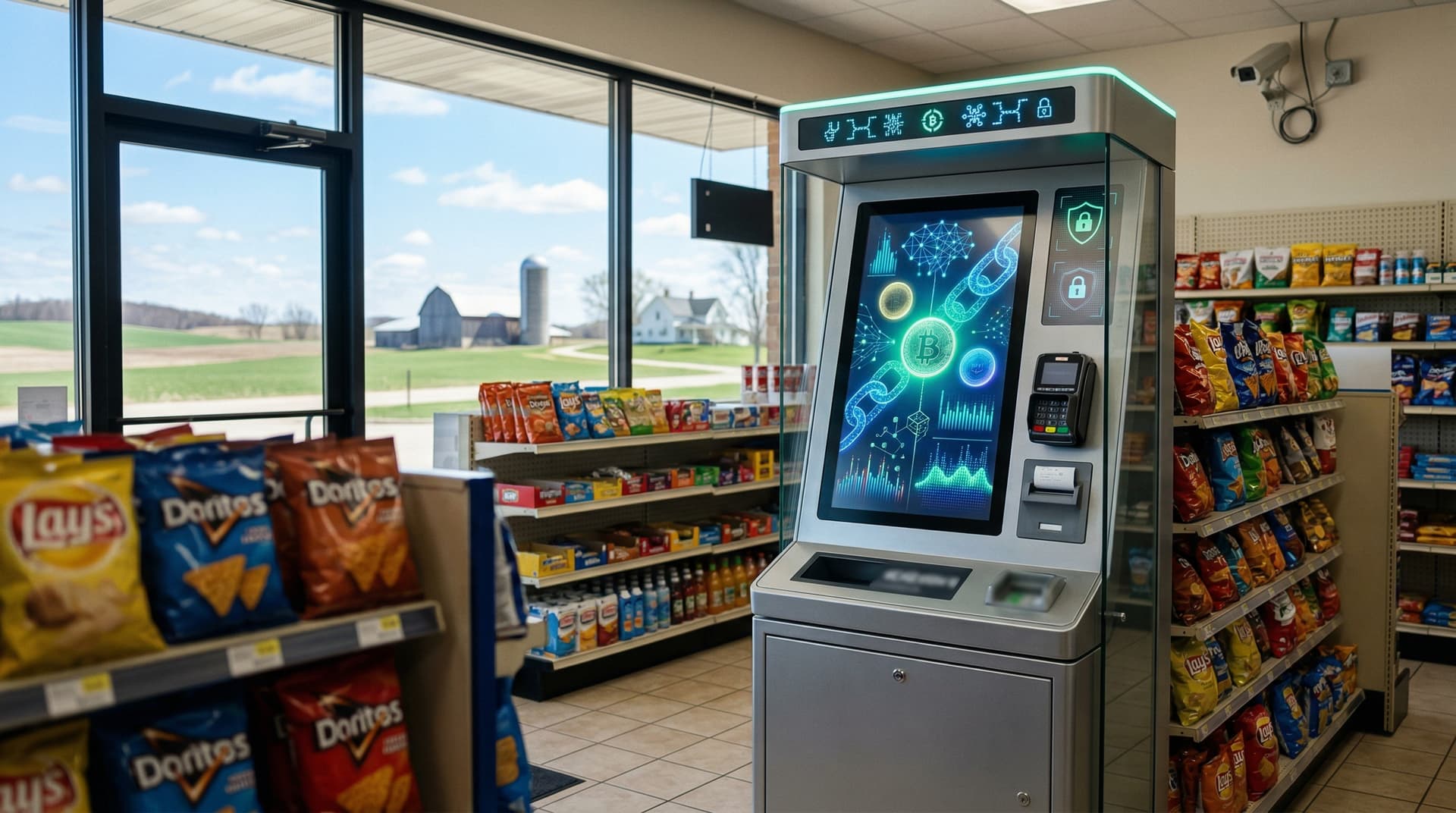
Wisconsin Governor Tony Evers signed new rules for Wisconsin crypto kiosks on April 10, 2026. These machines let users buy Bitcoin and other cryptocurrencies with cash. The law fights scams that stole millions from users.
Rules for Wisconsin Crypto Kiosks
Operators register each year with the Wisconsin Department of Financial Institutions (DFI). They pay $1,000 USD per machine. DFI tracks kiosk locations in real time.
Users undergo biometric scans. These scans use face or fingerprint recognition powered by AI. AI relies on machine learning. Machine learning algorithms study data to improve fraud detection over time. Systems connect to national databases. Daily buy limits reach $1,000 USD without extra checks, DFI states.
Kiosks show all fees upfront. Operators report suspicious activity to police within 24 hours. Fines reach $10,000 USD per violation. These changes make kiosks safer.
Scams Spark the Law
Crypto kiosk scams rose 45% in Wisconsin last year. The Federal Trade Commission (FTC) reports this trend. Fraudsters installed fake kiosks in stores. Victims lost over $5 million USD statewide.
Nationwide, kiosk scams cost Americans $112 million USD in 2025, per FTC. Scammers hid fees up to 30%. They targeted seniors new to crypto. Wisconsin leads with strong crypto scam regulation.
California and New York enforce weaker rules. Wisconsin sets a model for fintech protection.
Market Boom Drives Demand
Bitcoin trades at $72,968 USD today, up 2.8% (CoinMarketCap). Ethereum hit $2,242.77 USD, up 3.3%. The Fear & Greed Index stands at 16. This index measures market fear. Low scores signal buying opportunities.
Volatility pushes cash users to kiosks. Users gain quick access without online risks.
AI Enables Fraud Detection
Approved AI vendors deliver facial recognition and behavior analysis. Machine learning models train on millions of scam cases. They flag risks in seconds. MIT tests confirm 98% accuracy.
Wisconsin teams with fintech firms. This creates tech jobs in Madison and Milwaukee.
Reactions from Key Players
Bitcoin Depot backs the law. CEO Adam Langly plans upgrades on 50 kiosks by May 1. The firm invests $2 million USD.
AARP's Wisconsin chapter cheers. They predict fewer complaints from seniors.
Small operators cite higher costs. DFI expects 20% fewer kiosks by year-end.
Future Outlook for Wisconsin Crypto Kiosks
The law may shape U.S. policy. The Treasury reviews state efforts.
Blockchain links to kiosk AI. This blocks money laundering instantly.
DFI starts audits in June 2026. Success could spread to Midwest states. Wisconsin crypto kiosks now offer secure access as markets grow.